Florida Museum of Natural History
Sharks
  HOME COLLECTION EDUCATION IMAGE GALLERY SOUTH FLORIDA ORGANIZATIONS MEETINGS STAFF
  SHARK TROPICAL
RESEARCH
FRESHWATER
RESEARCH
BIOLOGICAL
PROFILES
JUST FOR KIDS IN THE NEWS SITE LINKS FLMNH

Abstracts of AES Scientific Papers

American Elasmobranch Society 2005 Annual Meeting
Tampa, Florida
AES Presentation Abstracts
(*=presenter; G=Gruber, C=Carrier)

[G] *AJEMIAN, MATTHEW J.; SANFORD, CHRISTOPHER P.J.
Hofstra University, Department of Biology, Hempstead, NY 11549, USA

Prey capture kinematics of the chain catshark Scyliorhinus retifer

Past studies of feeding kinematics in the elasmobranchs (sharks, skates and rays) have focused on easily accessible species inhabiting the epipelagic portion of the ocean. Thus, our knowledge of feeding behavior in deeper dwelling elasmobranch fishes is strictly limited. The chain catshark (Scyliorhinus retifer) is a member of one of the most well researched groups of elasmobranchs (order: Carcharhiniformes), but this particular species inhabits a deep-sea environment and its feeding strategies are therefore unknown. In an attempt to better understand the feeding biology of S. retifer we utilized high- speed videography to document the kinematic events during prey capture. Sharks were filmed feeding on pieces of Atlantic silversides (Menidia menidia) scaled to the mouth diameter (large prey) and one-half the mouth diameter (small prey). Frame-by-frame analysis of kinematic variables indicated that the chain catshark utilizes mild suction to capture benthic prey items. Univariate ANOVAs found that prey size did not significantly affect the majority of kinematic variables. Though kinematic displacement measurements differed significantly between individuals, the timing of most movements did not. Only two timing variables, time to minimum lower jaw angle and time to maximum hyoid displacement, were found to vary significantly between large and small prey items. However, a MANOVA of principal components found no significant differences when simultaneously analyzing all derived kinematic variables for the effect of prey size. These results suggest that S. retifer exhibits stereotypical feeding behavior when capturing benthic prey. The feeding behavior of the chain catshark shows a strong connection to the basic pattern of kinematic events described in feeding studies of other carcharhiniform sharks. Nonetheless, stark differences in RSI values and the timing of upper jaw protrusion between this species and Cephaloscyllium ventriosum indicate that multiple prey capture strategies exist within the family Scyliorhinidae.


*ALMEIDA, MAURICIO P.; VIANA, ANDERSON S.; CHARVET-ALMEIDA, PATRICIA; BARTHEM, RONALDO B.
(MPA) Programa de Pos-Graduacao em Zoologia e (PC, MPA, RBB) Setor de Ictiologia, Campus de Pesquisa, Museu Paraense Emilio Goeldi, Av. Perimetral, 1901, Terra-Firme, Belem, Para, Brazil, 66077-530; (ASV) Curso de Engenharia de Pesca, Universidade Federal Rural da Amazonia, Av. Perimetral, s/n, Terra-Firme, Belem, Para, Brazil, 66077-530; (PC) Programa de Pos-Graduacao em Ciencias Biologicas (Zoologia) e Laboratorio de Ictiologia, Departamento de Sistematica e Ecologia, Centro de Ciencias Exatas e da Natureza, Cidade Universitaria, Universidade Federal da Paraiba, Joao Pessoa, Paraiba, Brazil, 58059-900.

Reproductive biology of Potamotrygon scobina Garman, 1913 (Chondrichthyes: Potamotrygonidae) in the Marajó Bay region, Pará, Brazil

Potamotrygonids present a reproductive mode described as matrotrophic viviparity with trophonemata. This study presents the results on the reproductive aspects of the freshwater stingray Potamotrygon scobina in the Marajó Bay region. The specimens (n = 244) were sampled in the Colares Island region in the years 2000 through 2002. Males (n = 120) and females (n = 124) had their main reproductive characteristics analyzed in the field and in laboratory. All reproductive organs and embryos were fixed in formaldehyde solution (10%) and preserved in ethanol (70%). The HSI and GSI were also calculated for juveniles, sub-adults and adult specimens of both sexes. HSI values varied from 2.75 - 4.86 for males and 3.48 - 7.34 for females. GSI values varied from 0.17 - 0.65 for males and 0.16 - 0.45 for females. The Pearson Correlation Coefficient (r) of the disc width and clasper length was of 0.80. Abundant semen and spermatophores were present in 20.83% of the males sampled and were only observed at a minimal disc width of 358 mm. Embryos (n = 162) were present in 41.33% (n = 31) of the adult females sampled and were only observed at a minimal disc width of 387 mm. Adult females presented an average ovarian and uterine fecundity of around 5. The Pearson Correlation Coefficient (r) of the disc width and number of embryos was of 0.66. Slight salinity changes seem to play an important role as a trigger for reproduction in the P. scobina population of this region. The results obtained indicate that the reproductive cycle of P. scobina is closely related to the hydrologic cycle of the Amazon Estuary region. (Supported by CNPq, CAPES and WWF - Brazil grants).


*ARAYA, MIGUEL; CUBILLOS, LUIS A.
(MA) Departamento de Ciencias del Mar, Universidad Arturo Prat, Avda. Arturo Prat 2120, 111-0939 IQUIQUE, Chile; (LAC) Facultad de Ciencias Naturales y Oceanográficas, Universidad de Concepción, Casilla 160-C, Concepción, Chile

Elasmobranchs grow in length according to a two-phase growth model

Often, it is assumed that the von Bertalanffy growth model (VBGM) is appropriate to describe growth in length of elasmobranchs. However, a review of the literature suggests that a two-phase growth model could better describe growth in elasmobranchs. In this paper, we compare the two-phase growth model (TPGM) with the VBGM for 18 data sets of elasmobranch (16 species), by fitting the models to 36 age-length data pairs available (female, male and both sexes pooled). The Akaike Information Criteria (AIC) and the difference in AIC between both models revealed that in 23 cases (from 36) the probability that the TPGM was correct =50%. The VBGM tends to estimate larger Linf values than the two-phase growth model, while the K parameter tends to be underestimated. We show growth rate in length tends to decrease near the age at first maturity in several species of elasmobranch. This growth pattern seems to be a characteristic of elasmobranchs. The importance of the TPGM lies in that it appropriately describes this aspect of the life history of the species. In this context, we conclude that the VBGM is not appropriate to describe the growth of elasmobranchs, and that the TPGM should not be overlooked, particularly in stock assessment models.


*ARDIZZONE, DANIELE; CAILLIET GREGOR M.; NATANSON, LISA J.; ANDREWS, ALLEN H.; KERR, LISA A.; BROWN, THOMAS A.
(DA, GMC, AHA) Moss Landing Marine Laboratories, California State University, 8272 Moss Landing Rd, Moss Landing, CA 95039, USA; (LJN) NOAA Fisheries Northeast Fisheries Science Center, Narragansett Laboratory, 28 Tarzwell Drive, Narragansett, RI 02882, USA; (LAK) University of Maryland Center of Environmental Science, Chesapeake Biological Laboratory, P.O. Box 38, 1 Williams Street, Solomons, MD 20688, USA; (TAB) Center for Accelerator Mass Spectrometry, Lawrence Livermore National Laboratory, 7000 East Avenue, Livermore, CA 94550, USA

Application of bomb radiocarbon chronologies to Shortfin Mako (Isurus oxyrinchus) age validation

Age estimation is an issue for the shortfin mako (Isurus oxyrinchus) because of ongoing disagreement on the periodic deposition of vertebral growth bands. A band pair is defined as a set of opaque and translucent bands in vertebral centra. Using four age determination techniques, Pratt and Casey (1983) concluded two band pairs formed annually; however, Cailliet et al. (1983) assumed one band pair per year. To evaluate the validity of both interpretations, a new technique was applied using radiocarbon measured in shark vertebrae. In the 1950-1960s, thermonuclear testing released large amounts of radiocarbon into the atmosphere, which reacted to form 14CO2 and entered the ocean through gas exchange over the following years. This influx created a time-specific marker in the marine environment that can be used in age validation. In the first application to elasmobranchs, Campana et al. (2002) validated the vertebral ageing methodology for the porbeagle (Lamna nasus) and assayed four samples from one shortfin mako vertebra, suggesting annual deposition of one band pair for both species. In the present study, band-counting age estimates from 54 shortfin mako vertebrae collected in 1950-1984 ranged in age 1-31 years. Bands in early stages of life appeared broad and clear and became less defined with age. Ageing error between readers was consistent, with 76% of the estimates ranging within two years of each other. Twenty-one radiocarbon values from vertebrae of eight shortfin makos (collected in the Western North Atlantic in 1963-1984) ranged between -160.2‰ and 86.8‰. The resulting concordance with the porbeagle indicated shortfin mako has longevity of at least 31 years and supports annual deposition of a single pair of growth bands. This work was performed, in part, under the auspices of the U.S. Department of Energy by University of California, Lawrence Livermore National Laboratory under Contract W-7405-Eng-48.


[C] *ARI, CSILLA; CORREIA, JOAO P.
(ACS) Semmelweis University, Budapest, 1094, Tûzoltó utca 58., Hungary; (CJP) Lisbon Aquarium, Lisbon, Portugal

A study on the learning and sensory capabilities of a captive Manta birostris (Mobulidae)

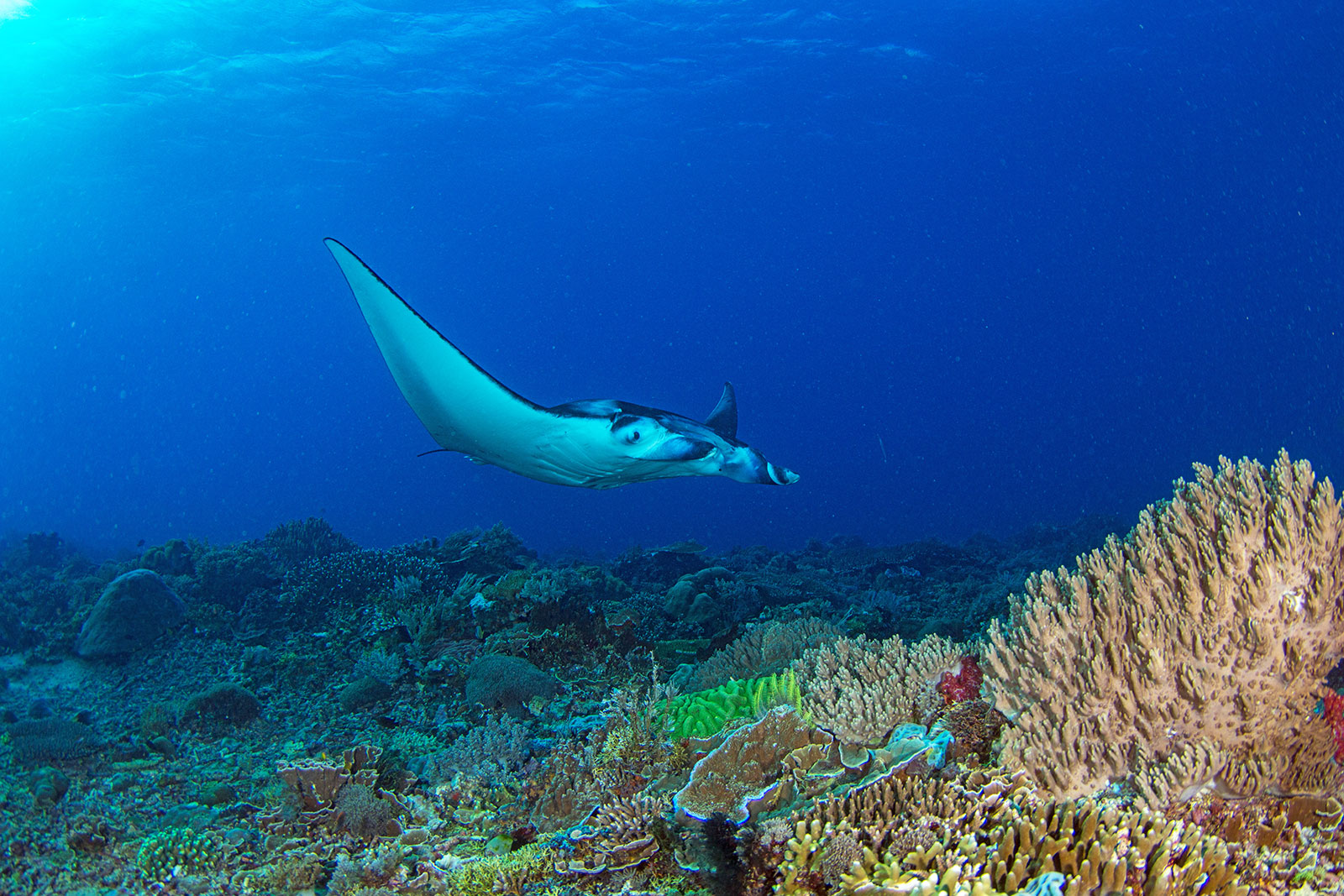
A female Manta birostris (4 m wingspan) was observed in the Lisbon Aquarium over an 18 day period during September 2004. Her presence in her feeding square, the position of the cephalic fins and surfacing behavior were recorded by the EthoLog softver before and during regular feedings, as well as at random times between feedings. These behavioral elements were also recorded to test the effects of (1) the presence of a person on a bridge above the feeding square, as well as (2) the empty feeding bucket, (3) a bucket not usually used for feeding, (4) shrimp soup and (5) normal feeding bucket with shrimp soup , each in the water separately. The Manta's normal behavior and her responses to these stimuli were also observed in another square of the tank, different than her usual feeding square. The results showed the presence of a person on the bridge didn't change her usual swimming behavior. However, the presence of the empty feeding bucket and the other bucket or the shrimp soup, all attracted her to the feeding square, where she spent more time and showed surfacing behavior in an attempt to feed. The most significant response was recorded after the empty feeding bucket was placed into the water at her feeding square. These results suggest that this Manta birostris has learned to appear in order to get her food in response not only to olfactory but visual cues as well.


*ASCHLIMAN, NEIL; MCEACHRAN, JOHN D.
(NA) Texas A&M University, Department of Biology, College Station, TX 77843-3258, USA; (JDM) Texas A&M University, Department of Wildlife and Fisheries Sciences, College Station, TX 77843-2258, USA

A phylogenetic analysis of Batoidea (Elasmobranchii) based on morphological data

Although monophyly of the batoids (electric rays, sawfishes, guitarfishes, skates, and stingrays) is widely accepted and well corroborated, the interrelationships within batoids remain controversial. The most contentious issues concern the phylogenetic position of the Torpediniformes (electric rays) and the Pristiformes (sawfishes), and the composition of the Rhinobatiformes (guitarfishes). A phylogenetic analysis based on 81 anatomical characters of representatives of 32 of the 72 genera of batoids and four outgroups revealed that batoids comprise three major clades: Torpediniformes, Rajiformes, and Myliobatiformes. Rajiformes include Pristidae, Rhina, Rhynchobatus, Rhinobatidae, and Rajidae. Myliobatiformes include Platyrhinidae, Zanobatus, and Myliobatiformes (in a traditional sense). The derived myliobatiforms comprise two major clades: Gymnura and the pelagic rays, and the benthic rays. The terminal benthic rays form two clades: 1) Indo-Pacific Himantura, New World Himantura, and potamotrygonids, and 2) Dasyatis kuhlii, Taeniura, Pteroplatytrygon, and Dasyatis. Neither Himantura nor Dasyatis, as presently conceived, are monophyletic. Several West African species of Dasyatis are more closely related to Indo-Pacific Himantura than to Dasyatis.


[C] *AWRUCH, CYNTHIA A.; FRUSHER, STEWART D.; STEVENS, JOHN D.
(ACA,FSD) Tasmania Aquaculture and Fisheries Institute, Nubeena, Crescent, Taroona, Tasmania, 7053, Australia; (ACA,SJD) CSIRO Marine Research, GPO Box 1538, Hobart, Tasmania, 7001, Australia

Movement patterns of the draughtboard shark Cephaloscyllium laticeps using acoustic telemetry and conventional tagging

The draughtboard shark Cephaloscyllium laticeps (Duméril, 1853) is the most common catshark in coastal areas of southern Australia. We have been using a combination of acoustic and conventional tagging technology to provide a greater insight into the behavior of this species. Between January 2000 and February 2004, 375 conventionally tagged sharks were released in an isolated reef study site in the Derwent Estuary, Tasmania, Australia. To date, 121 sharks have been recaptured with 36% recaptured on multiple occasions. The large amount of multiple recaptures within the reserve suggests a high degree of site fidelity. Larger longer-term movements of up to 200km have been recorded. The longest period between tagging and recapture was 39 months. Between January-July 2003, 25 sharks were fitted with acoustic tags. Acoustic receivers were deployed in the study site, along the Derwent Estuary and in an adjacent bay. Acoustic tag results also demonstrated the high affinity that draughtboard sharks have for the study site. The analysis of the acoustic data also provided information on residency periods and behavior that could not be obtained from conventional tagging studies.


[G] *AWRUCH,CYNTHIA A.; PANKHURST, NED; FRUSHER, STEWART D.; STEVENS, JOHN D.
(ACA,FSD) Tasmania Aquaculture and Fisheries Institute, Nubeena, Crescent, Taroona, Tasmania, 7053, Australia; (PN) Faculty of Science Engineering and IT, James Cook University, Townsville, QLD, 4811, Australia; (ACA,SJD) CSIRO Marine Research, GPO Box 1538, Hobart, Tasmania, 7001, Australia

Endocrine correlates of the reproductive biology of the oviparous catshark, Cephaloscyllium laticeps (Duméril, 1853)

The draughtboard shark Cephaloscyllium laticeps is an oviparous species that inhabits the coastal waters off Southern Australia where it is a common bycatch species in commercial trap, net and hook fisheries. We addressed the reproductive condition of this species based on the level of steroid hormones in the plasma. We tested four hormones, Estradiol (E2), Testosterone (T), 11-Ketotestosterone (11-KT) and Progesterone (P4). 11-KT was not detectable in any shark. T, E2 and P4 were present in females although P4 and E2 were only found in low concentrations in males. Correlations of reproductive development with the level of gonadal steroids were obtained and subsequently used to assess the maturity of sharks caught and released in a scientific reserve. Results from this study demonstrate that assessment of reproductive biology in elasmobranchs can be achieved without harm to the shark. The development of a non-destructive sampling technique has benefits for sampling sharks that do not need to be killed, such as endangered species, species in marine protected areas, nursery areas or bycatch species. This study has significant implications for future elasmobranch research and also advances our knowledge on endocrinology of marine fish.


[G] *BAREMORE, IVY E.; WINNER, BRENT L.; KOHLER, NANCY E.; MELLO, JOSEPH J.
(IEB) University of Florida, Department of Fisheries and Aquatic Sciences, 7922 NW 71st St, Gainesville, FL 32653, USA; (BLW) Fish and Wildlife Research Institute, 100 8th Ave SE, St. Petersburg, FL 33701, USA; (NEK) National Marine Fisheries Service, Northeast Fisheries Science Center, 28 Tarzwell Drive, Narragansett, RI 02882, USA; (JJM) Fishery Sampling Branch, NEFSC, 166 Water Street, Woods Hole, MA 02543, USA

Differences in the ratios of fin to carcass weight among fourteen species of sharks

The practice of shark finning, or the harvest of a shark's fins without the carcass (meat), was prohibited by federal law in 1993. To regulate and minimize shark finning, federal rules were enacted that allowed fins to be landed if the total weight of the fins was no more than five percent of the total weight of the landed dressed carcasses. Although many different species are harvested for their fins, the "five percent rule" was established using data from only sandbar sharks, Carcharhinus plumbeus, due to a lack of data for other shark species. Fin weight ratios were calculated for several commercially valuable shark species from coastal waters of the U.S. Atlantic Ocean and Gulf of Mexico using standardized data collated from state and federal databases. Analysis of variance procedures, Scheffe's multiple comparison analysis, and student's t-tests were used to test for statistical differences in the fin weight ratios of 14 species of sharks. Comparisons were made among species for which comparable size data were available; therefore large coastal and pelagic sharks were analyzed separately from small coastal sharks and dogfishes. The fin weight ratio of the sandbar shark (5.33%) was the largest of the 14 species examined, while the silky shark, Carcharhinus falciformis, exhibited the lowest ratio at 2.53%. The fin ratio of the sandbar shark was significantly higher than most of the other large coastal species we examined, and the bonnethead shark, Sphyrna tiburo, had a fin weight ratio (4.91%) that was significantly higher than other small coastal species examined. Fin ratios were not different between juveniles and adults for most species, suggesting an isometric growth relationship. The variation in ratios among the species we examined suggests that species-specific management of shark finning in U.S. waters should be further explored


BELTRÁN, JENNIE L; PORTER, MARIANNE E.; SUMMERS, ADAM P.
University of California, Irvine, Dept. Ecology and Evolutionary Biology, Irvine, CA, 92696-2525, USA

What makes and breaks cartilaginous jaws: The biomechanics and biochemistry of shark jaw cartilage

All vertebrates begin with a cartilaginous skeleton in the embryonic stage. As they mature, most convert their cartilaginous skeletons into bone. However Chondrichthians (sharks, ratfish, and rays) maintain a cartilaginous skeleton and thrive in the same niches as bony fish. In most vertebrates cartilage is a soft connective tissue that serves two purposes; a low-friction bearing surface and contour filler. Fish with cartilaginous skeletons can function at extremes (growing big, swimming fast, and eating hard-prey) which suggest that the skeletons of these animals are stronger than originally assumed. We also believe that the biochemical properties (collagen, proteoglycan, and water contents) affect the mechanical properties of the cartilage. We examined the biomechanics and biochemistry of shark jaw cartilage from four shark species; Carcharhinus falciformis, Carcharhinus plumbeus, Sphyrna zygaena, and Isurus oxyrinchus. Multiple 8.0 mm or 10.0 mm cylindrical plugs were tested by compressing the plug three times to ten percent of its initial thickness (=0.10) at 2 mm/sec. Properties differed between species (p<0.001). Shark cartilage was also stiffer than mammalian cartilage (5.2x10⁷ vs. 2.0x10⁷ Pa). Shark and mammalian cartilage was similar in strength. The plugs were lyophilized and collagen and proteoglycan was measured with hydroxyproline and DMMB assays. The average value for water content was consistent with mammalian cartilage (85% vs. 75%). Collagen content was much lower than mammalian cartilage (13% vs. 50% DW). Further biochemical studies will investigate why shark jaw cartilage, which has very little collagen content, is as strong as mammalian cartilage.


*BETHEA, D.M.; HALE-WILLIAMS, L.; CARLSON, J.K.; CORTÉS, E.; MANIRE, C.A.; GEILSCHLETER, J.
(DMB, JKC, EC) NOAA Fisheries Service, Southeast Fisheries Science Center, Panama City Laboratory, 3500 Delwood Beach Road Panama City Beach, FL 32408 USA; (LHW) California State University Long Beach, Biology Department, Peterson Hall 1-109, 1250 Bellflower Blvd, Long Beach, CA 90840 USA; (CAM, JG) Mote Marine Laboratory, 1600 Ken Thompson Parkway, Sarasota, FL 34236 USA

Latitudinal variation in the diet and daily ration of the bonnethead shark Sphyrna tiburo from the eastern Gulf of Mexico

Bonnethead Sphyrna tiburo diet and daily ration were determined for three major areas in the eastern Gulf of Mexico: northwest Florida (latitude ≈30oN), Tampa Bay (≈28oN), and Florida Bay (≈25oN). In each area, diet was assessed size classes (40-60, 61-80, and 81-100+ cm TL) and quantified using six indices: percent by number, percent by weight, frequency of occurrence, the index of relative importance (IRI), IRI expressed on a percent basis (%IRI), and %IRI based on prey category (%IRIPC). In northwest Florida, a mix of decapod crabs, decapod shrimps, and crustaceans other than lobster were found in stomachs of sharks 40-60 cm TL (n=78). Stomachs of sharks 61-80 cm TL (n=60) and 81-100+ cm TL (n=51) contained mostly decapod crabs. The same trend was observed in Tampa Bay for the larger two size classes of sharks (n=103 and n=61, respectively). In Florida Bay, sharks 40-60 cm TL (n=27) fed on crustaceans and cephalopods, sharks 61-80 cm TL (n=90) took fewer decapod crabs and shrimps and more lobsters and cephalopods, while the diet of sharks 81-100+ cm TL (n=38) was dominated by cephalopods, lobsters, and decapod crabs. Correlation and simple correspondence analysis showed diets from northwest Florida and Tampa Bay to be similar; diets of sharks from Florida Bay were different. A bioenergetic model was constructed to estimate daily ration using diet data from this study and species-specific inputs from other studies. Daily ration was different among areas and life stages. Daily ration was highest for young-of-the year sharks and lowest for adult sharks.


*BIZZARRO, JOSEPH J.; SMITH, WADE D.; MÁRQUEZ-FARIAS, J.F.; HUETER, R.E.
(JJB, WDS) Pacific Shark Research Center, Moss Landing Marine Laboratories, 8272 Moss Landing Rd., Moss Landing, CA 95039, USA; (JFM-F) Instituto Nacional de la Pesca, Programa Tiburón, Centro Regional de Investigación Pesquera, Calle 20 Sur, 605, CP 85400 Guaymas, Sonora, Mexico; (REH) Center for Shark Research, Mote Marine Laboratory, 1600 Ken Thompson Pkwy., Sarasota, FL 34236, USA

Reproductive biology and fishery aspects of the golden cownose ray, Rhinoptera steindachneri (Evermann and Jenkins, 1891) from the Gulf of California and Pacific coast of Baja California Sur, Mexico

The golden cownose ray, Rhinoptera steindachneri (Evermann and Jenkins, 1891), is widespread in coastal waters of the tropical and subtropical eastern Pacific. It was among the most abundant species taken in artisanal elasmobranch fisheries of the Gulf of California and Bahía Almejas (Baja California Sur), Mexico, during 1998-2000. In the northern Gulf of California, R. steindachneri landings peaked during summer months and were negligible during winter. In Bahía Almejas, this species was frequently landed in August and uncommon in June, a trend also noted in CPUE (#individuals/vessel/trip; August =1.13, June=0.13). Size segregation and schooling behavior was evident from landings in both regions. Disc width (DW) of R. steindachneri harvested in the Gulf of California ranged from 39-98 cm and averaged 64.2 cm for males (n=585) and 64.4 cm for females (n=505). The largest male (96 cm DW) and female (104 cm DW) were recorded at Bahía Almejas. Size at first maturity and 50% median maturity were similar for males (64 cm, 69.9 cm DW) and females (65 cm, 70.0 cm DW). The largest immature male was 78 cm DW and the largest immature female was 72 cm DW. Fecundity was determined to be one offspring per female with larger females carrying larger embryos. Parturition was estimated to occur from late June to August at 39-45 cm DW after a gestation period of 10-12 months. Bahía Almejas served as a nursery ground for neonate R. steindachneri and a likely breeding location for adults. The conservative reproductive strategy of R. steindachneri, in which a single pup is produced annually after maturity is reached at a relatively large size, suggests that this species is of low productivity and highly susceptible to overexploitation.


[G] *BRACCINI, MATIAS; GILLANDERS, BRONWYN; WALKER, TERENCE
(MB, BG) Southern Seas Ecology Laboratories, Darling Building DP 418, School of Earth and Environmental Sciences, University of Adelaide, Adelaide, SA 5005, Australia; (MB, TW) Primary Industries Research Victoria, P.O. Box 114 Queenscliff, Vic 3225, Australia

Reproductive parameters for population assessment of Squalus megalops

Population assessments of chondrichthyan species require several key parameters of their reproductive biology, which were estimated for Squalus megalops. For both sexes, length-at-maturity differed depending on the criterion adopted for defining maturity. For males, length-at-maturity is smallest when condition of seminal vesicles is adopted as a maturity criterion. For females, length- at-maturity is smallest when the largest follicle diameter >3 mm is adopted as the criterion for maturity; this is appropriate only as an indicator of the onset of maturity. Mature males are capable of mating throughout the year. Females have a continuous asynchronous reproductive cycle. The sex ratio of embryos is 1:1 and litter size and near-term embryo length increase with maternal length. Females have an ovarian cycle and gestation period of two years. This is reflected in the differences found between the maturity and maternity ogives. Although all females are mature at 600 mm, only 50% of them contribute to annual recruitment each year. Hence, for chondrichthyan species with reproductive cycles of two, three or more years, if maturity ogives are used in population assessments instead of maternity ogives, the models would over-estimate recruitment rates.


BREWSTER-GEISZ, KARYL
National Marine Fisheries Service, Highly Migratory Species Management Division, 1315 East-West Highway, Silver Spring, MD 20910, USA

Atlantic shark species-specific management: Is it possible?

In 2002, the stock assessment for Atlantic large coastal sharks determined that the two primary species in the fishery, sandbar and blacktips, were rebuilding and rebuilt, respectively, and that the complex as a whole was still overfished. In the 2003 Amendment 1 to the Atlantic Tunas, Swordfish, and Shark Fishery Management Plan, the National Marine Fisheries Service (NMFS) established quotas for the large coastal shark complex as a whole rather than for the individual species. This decision was made in part due to the inability of some fishermen and dealers to identify sharks correctly and in part due to the paucity of data regarding the ability of fishermen to target one or two species while avoiding other species. NMFS is currently analyzing alternatives to improve the ability of fishermen to identify sharks. However, little or no research is being done regarding the ability of fishermen to target specific sharks. Gear research in the Atlantic pelagic longline fishery has indicated that sea turtle takes can be significantly reduced by modifying hook types and using certain types of bait. Similar research is needed in the commercial shark fishery, primarily for bottom longline and gillnet gears, to determine if the bycatch of unwanted sharks, finfish, and sea turtles can be avoided or reduced. Such research could protect the more vulnerable species while still allowing for a sustainable fishery on other species and could allow quotas to be established on a more species-specific basis.


BRUNNSCHWEILER, JUERG M.
University of Zurich, Institute of Zoology, Winterthurerstrasse 190, CH-8057 Zurich, Switzerland

Insight into migration patterns of bull sharks in the South Pacific

Data on habitat use and seasonal movements are essential for designing conservation strategies, yet such data are rarely available for large marine animals such as sharks. In this study we equipped eleven bull sharks, Carcharhinus leucas, from a Fijian population with pop-up satellite tags to test the hypothesis that bull sharks migrate into nursery grounds. Individual tags remained attached for two to seven months. The pop-up locations give insight into movement patterns and distribution of bull sharks in the South Pacific. They further underscore the need for international cooperation in devising conservation plans.


BURRIS, JOHN H.
San Juan College, 4601 College Boulevard, Farmington, NM 87402-4699, USA

Morphology and phylogenetic implications of Recent and fossil carcharhiniform shark vertebral centra

The cross-sectional anatomy of secondary calcifications of shark vertebral centra has featured in phylogenetic hypotheses, although never in a rigorous cladistic framework. In this study, the internal calcification patterns, along with the external morphology, of fossil and Recent shark centra of the Order Carcharhiniformes have been coded and subjected to a cladistic analysis to address the utility of centrum features for revealing relationships. Carcharhiniform sharks were selected as a study group because they are a monophyletic clade with reasonably well understood intraordinal relationships, a rich fossil record, and readily available Recent comparative skeletal material. The external characters evaluated include centrum proportions, the presence and distribution of cartilage canals, and the size, shape, and spacing of the foramina for the basidorsal and basiventral arch components. The internal calcification features evaluated include the morphology and spacing of the four intermedialia, the four noncalcified areas, and the four diagonal calcifications. Centrum characters were analyzed both separately and combined with additional morphological characters from previous analyses. Results of the cladistic analysis show that shark centrum characters are useful for elucidating phylogeny. Tree topology was very similar for both analyses, and similar to recent molecular databased phylogenies. The addition of centrum data to shark phylogenetic analyses will allow for a more objective means of determining the interrelationships of fossil and extant carcharhiniform sharks than studies based on teeth alone, with their well-documented difficulties. The data gathered will also be important for future studies to interpret the relationship between centrum morphology and swimming characteristics in extant, and ultimately, extinct taxa.


*CAILLIET, GREGOR M.; SMITH, WADE D.; MOLLET, HENRY F.; GOLDMAN, KENNETH J.
(GMC, WDS, HFM) Moss Landing Marine Laboratories, 8272 Moss Landing Road, Moss Landing, CA 95039 USA; (KJG) Department of Biology, Jackson State University. 1400 J.R. Lynch Street, P.O. Box 18540, Jackson, MS 39217 USA

Chondrichthyan growth studies: An updated review, stressing terminology, sample size sufficiency, validation, and curve fitting

Validated age and growth estimates are important for constructing age-structured population dynamics models of fishes, including chondrichthyans, especially those that are exploited. We will review, correct, and supplement the results from the recent chondrichthyan ageing summary chapter, stressing the structures (both traditional and novel) utilized to estimate ages and synthesize the terminology used to describe their growth features. We will discuss validation approaches, concentrating on edge and marginal increment analyses. We will propose methods to assess size-specific sample sufficiency. We will review the mathematical approaches used to produce and interpret validated growth parameters, stressing the incorporation of size at birth (L0). We will briefly summarize results from recent studies among taxonomic groups, stressing the patterns in growth and longevity parameters, how useful they are for age-structured models and resulting management policies for assessing the status of exploited chondrichthyan populations.


*CAMPANA, STEVEN E.; JONES, CYNTHIA; MCFARLANE, G.A.; MYKLEVOLL, SIGMUND
(SEC) Bedford Institute of Oceanography, P.O. Box 1006, Dartmouth, Nova Scotia, Canada B2Y 4A2; (CJ) Center for Quantitative Fisheries Ecology, Old Dominion University, Norfolk, VA 23508, USA; (GAM) Pacific Biological Station, Nanaimo, British Columbia, Canada V9R 5K6; (SM) Institute of Marine Research, P.O. Box 1870 Nordnes, N-5817 Bergen, Norway

Bomb dating and age determination of spiny dogfish

Bomb radiocarbon has previously been used to validate the age of large pelagic sharks based on incorporation into vertebrae. However, not all sharks produce interpretable vertebral growth bands. Here we report the first application of bomb radiocarbon as an age validation method based on date-specific incorporation into spine enamel. Our results indicate that the dorsal spines of spiny dogfish (Squalus acanthias) recorded and preserved a bomb radiocarbon pulse in growth bands formed during the 1960s. Through comparison of radiocarbon assays in young, known-age dogfish collected in the 1960s and 1970s with the corresponding growth bands in old dogfish collected later, we confirm the validity of spine enamel growth band counts as accurate annual age indicators to an age of at least 45 yr. Radiocarbon incorporation into North Sea dogfish spines occurred in similar years as those in the northeast Pacific, although the amount of radiocarbon differed in keeping with the radiocarbon content of the water. Based on the age-validated spines, the growth rate of spiny dogfish in the northwest and northeast Atlantic is substantially faster, and the longevity is substantially less, than that of dogfish in the northeast Pacific.


[G] *CARLISLE, AARON B.; KING, AARON; CAILLIET, GREGOR M.; BRENNAN, JAMES S.
(ABC, GMC) Pacific Shark Research Center, Moss Landing Marine Laboratories, 8272 Moss Landing Road, Moss Landing, CA 95039, USA; (AK) BLM/DOI California Coastal National Monument, and NOAA/DOC National Marine Protected Areas Center, Science Institute, 99 Pacific St., Monterey, CA 93940, USA; (JSB) Washingon Sea Grant Program, 3716 Brooklyn Avenue NE, Seattle, WA 98105, USA

Long-term trends in elasmobranch catch composition from fishing derbies in Elkhorn Slough, California

Long term trends in the elasmobranch assemblage in Elkhorn Slough, Monterey Bay, California, were analyzed by documenting species composition and catch-per-unit-effort (CPUE) from 55 sport fishing derbies during May, June and July, from 1951 until 1995. The most abundant species, bat rays (Myliobatis californica), shovelnose guitarfish (Rhinobatos productus) and leopard sharks (Triakis semifasciata), were also analyzed for size-weight relationships, trends in size class distributions, stage of maturity, and sex ratios. Changes in species composition over the course of the derbies included the near complete disappearance of shovelnose guitarfish by the 1970s and a slight increase in the abundance of minor species (mainly smoothhounds, Mustelus spp., and thornbacks, Platyrhinoidis triseriata) starting in the mid-1960s. The proportion of bat rays in the catch steadily increased over the years while the abundance of leopard sharks has declined slightly during the last two decades. A peak in overall CPUE was evident during the mid to late fifties. Leopard shark and bat ray size class distribution data showed no obvious changes. The catch of bat rays and leopard sharks was consistently dominated by immature individuals, while the catch of shovelnose guitarfish was heavily dominated by adults. Female bat rays and shovelnose guitarfish were larger than their male counterparts, and outnumbered males nearly 2:1. Female and male leopard sharks were more nearly equal in size and sex ratio. Changes in species composition are likely due to shifts in the prevailing oceanographic conditions and habitat alteration in Elkhorn Slough. The sex ratios, stage of maturity, and size class distributions provide further evidence to the theory that Elkhorn Slough functions as a nursery ground for bat rays and leopard sharks.


[C] *CARLISLE, AARON B.; STARR, RICHARD M.; CAILLIET, GREGOR M.; EBERT, DAVID A.
(ABC, GMC, DAE) Pacific Shark Research Center, Moss Landing Marine Laboratories, 8272 Moss Landing Road, Moss Landing, CA 95039, USA; (RMS) University of California Sea Grant Extension Program, Moss Landing Marine Laboratories, 8272 Moss Landing Road, Moss Landing, CA 95039, USA

Spatial and temporal patterns of movement and habitat utilization of female leopard sharks in Elkhorn Slough, California

The leopard shark (Triakis semifasciata) is one of the most abundant nearshore sharks in California and is commonly found in bays and estuaries. Elkhorn Slough is a shallow tidal embayment at the edge of Monterey Bay that is extensively utilized by leopard sharks of all ages and is believed to function as a nursery ground for the species. Due to the important role of the Slough in the life history of leopard sharks, understanding how sharks utilize this environment is important. Patterns of movement and habitat use of female leopard sharks in Elkhorn Slough were examined using acoustic tags and a combination of manual tracking and passive monitoring techniques between May 2003 and February 2005. Ten leopard sharks (91-132 cm TL) were tagged and manually tracked for 20-71.5 hours. An additional 13 leopard sharks (78-140 cm TL) were tagged and monitored for 4-443 days using an array of acoustic receivers. Analyses done to date indicate that the Elkhorn Slough National Estuarine Research Reserve marsh restoration site is important for leopard sharks in Elkhorn Slough. Tagged sharks spent extensive amounts of time in several specific areas during the pupping season, providing evidence of the value of the reserve as a nursery ground. Shark movements and habitat use appeared to be tidally influenced, because movements of tagged animals were restricted to channels and tidal creeks at lower tides. As the tide increased, they moved out of the channels onto intertidal mudflats where they appeared to utilize low intertidal mudflats. When in the main channel of Elkhorn Slough, shark movements showed more diel periodicity. Tagged animals moved up and down the Slough at relatively regular intervals, in which the sharks primarily occurred in the lower slough during night.


*CARLSON, JOHN K.; BAREMORE, IVY E.
(JKC) Southeast Fisheries Science Center, NOAA Fisheries Service, 3500 Delwood Beach Rd., Panama City, FL 32408, USA; (IEB) Department of Fisheries and Aquatic Sciences, University of Florida, Gainesville, FL 32611, USA

Growth dynamics of the Spinner Shark, Carcharhinus brevipinna, off the United States Southeast and Gulf of Mexico coasts: a comparison of methods

The age and growth dynamics of the Spinner Shark in the northwest Atlantic Ocean off the Southeast United States and in the Gulf of Mexico were examined and four growth models were used to examine variation in the ability to fit size-at-age data. The von Bertalanffy growth model, an alternate equation of the von Bertalanffy growth model with a size-at-birth intercept, the Gompertz growth model, and a logistic model were fitted to sex-specific observed size-at-age data. Considering the statistical criteria (e.g. lowest MSE, high coefficient-of-determination, and greatest level of significance) we desired for this study, the logistic model provided the best overall fit to the size-at-age data while the von Bertalanffy growth model gave the worst. When considering biological validity, the von Bertalanffy model for female sharks provided estimates similar to those reported in other studies. However, the von Bertalanffy model was deemed as inappropriate for describing the growth of male spinner sharks because estimates of theoretical maximum size suggested a size much larger than that observed in the field. However, the growth coefficient (k=0.14) from the Gompertz model provided an estimate most similar to that reported for other large coastal species. The analysis of growth for spinner shark in this study demonstrate the importance of fitting alternate models when standard models fit the data poorly or when growth estimates do not appear to be realistic.


[G] *CASPER, BRANDON M.; MANN, DAVID A.
University of South Florida, College of Marine Science, 140 7th Avenue South, St. Petersburg, FL 33701, USA

Dipolar hearing measurements in the Horn Shark, Heterodontus francisi

The hearing abilities of elasmobranchs have been measured using sounds broadcasted from an underwater speaker in several different experiments. While these experiments have produced complete audiograms for the species tested, many scientists have questioned whether a monopole stimulus (such as an underwater speaker) is appropriate for measuring hearing and determining what sounds sharks are attracted to in the field. It has been suggested that a dipole stimulus that mimics the acoustic disturbances caused by prey moving through water would be a more relevant stimulus for measuring shark hearing abilities. A vibrational shaker was used to produce a dipole stimulus for testing the hearing of four horn sharks, Heterodontus francisi. Hearing tests were also conducted in the same setup on the same individuals using an underwater speaker to directly compare the dipole stimulus with a monopole stimulus. In both cases, evoked potentials were obtained in response to the stimuli using the auditory brainstem response method and audiograms were produced. The relevance of monopole versus dipole stimuli when referencing the hearing of elasmobranchs and how these relate to their ability to detect sounds from a distance will be examined.


[G] *CASTRO, ANDREY L.F.; STEWART, BRENT S.; WILSON, STEVEN G.; MEEKAN, MARK G.; HUETER, ROBERT E.; BASS, ANNA L.; BOWEN, BRIAN W.; KARL, STEPHEN A.
(ALFC, ALB, SAK) Dept. of Biology, SCA 110, University of South Florida, 4202 E Fowler Ave, Tampa, FL 33620, USA; (BSS, SGW) Hubbs-SeaWorld Research Institute, 2595 Ingraham Street, San Diego, CA 92109, USA; (MGM) Australian Institute of Marine Science, Darwin, NT 0811, Australia; (REH) Mote Marine Laboratory, 1600 Ken Thompson Parkway, Sarasota, FL 34236, USA; (BWB) Hawaii Institute of Marine Biology, SOEST, University of Hawaii, PO Box 1346, Kaneohe, HI 96744, USA

Preliminary information on the population genetics of the whale shark (Rhincodon typus)

In recent years tagging studies, including satellite transmitters, have increased our knowledge of the migratory behavior of whale sharks. These findings reinforce the perception of a mobile species that can move thousands of kilometers in short time periods. Based on the perception of high vagility, we hypothesized that inter-region or inter-ocean genetic differences for whale shark populations would be slight. Here we use mitochondrial DNA control region sequences to assess the genetic connectedness of whale sharks sampled from different oceans. We found 37 polymorphic sites (including insertions and deletions) resolving 18 haplotypes in complete mtDNA control region sequences from 30 whale sharks (10 from Gulf of Mexico; 7 from Sea of Cortez; 4 from Ningaloo Reef, Western Australia; 4 from Taiwan; 3 from South Africa; and 1 each from Maldives and Philippines). We found no significant genetic subdivision and sharing of haplotypes among ocean basins. Our data are consistent with a single global population. This inference, however, is subject to two caveats; low statistical power associated with small sample sizes, and life history considerations. First, there are marked differences observed among haplotypes, including base substitutions and gaps of 17 to 164 nucleotides, indicating that sufficient variation exists to detect population subdivision, pending larger sample sizes. Second, most samples were collected from whale shark feeding aggregations, where reproductively segregated populations could co-occur. Mixing of cohorts could contribute to the lack of phylogeographic subdivision detected here. More sequence data are being gathered to provide a statistically rigorous analysis of genetic variation among biogeographic regions, including microsatellite approaches for analysis of fine-scale breeding system.


CHABOT, CHRIS L.
California State University, Northridge, Dept. of Biology, 18111 Nordhoff St., Northridge, CA 91330-8303, USA

Population genetics of the Tope Shark (Galeorhinus galeus) in response to California fishery pressures

The Tope Shark (Galeorhinus galeus) has been the subject of intense overfishing over the last 74 years (Ripley 1946, FAO.org). Millions of sharks were harvested during the 1940s primarily for their vitamin A rich livers (Ripley 1946, Leet et al. 2001). This intense exploitation collapsed breeding areas within the San Francisco and Tomales bays (Leet et al. 2001). Currently all sharks face a new global threat, that of shark finning. Unfortunately, only well-qualified estimations exist on how many sharks inhabit the world's oceans. Without exact population data, the impact of overfishing on shark species can only be assumed. Because empirical estimation of true population sizes of pelagic shark species is unrealistic, a method of determining shark population health is sorely needed. The tope shark provides an excellent model because the species was historically overfished (Leet et al 2001). By analyzing and comparing the mtDNA of present day tope sharks with the mtDNA of specimens preserved prior to 1940, evidence of inbreeding and the possible existence of a population bottleneck may be established.


*CHAPMAN, DEMIAN D.; PRODOHL, PAULO A.; GELSLEICHTER, JAMES; SHIVJI, MAHMOOD S.
(DDC, MSS) Guy Harvey Research Institute, Oceanographic Ctr, Nova Southeastern University, 8000 N. Ocean Dr, Dania Beach, FL, 33004, USA; (PAP) The Queens University of Belfast, MBC, 97 Lisburn Rd, Belfast, BT97BL, Northern Ireland, UK; (JG) Elasmobranch Physiology and Environmental Biology Program, Center for Shark Research, Mote Marine Laboratory, 1600 Ken Thompson Pkwy, Sarasota, FL 34263, USA

Mating systems of the bonnethead and scalloped hammerhead sharks in the southeast United States, as revealed by microsatellite DNA profiling

Just as DNA-profiling has revolutionized our understanding of the reproductive biology of many animal groups, this technology has begun to provide significant new insights into the mating practices and parentage of free-living sharks. Genetic profiling of two shark species (nurse [Ginglymostoma cirratum] and lemon [Negaprion brevirostris]) have revealed almost ubiquitous multiple paternity of litters within the sampled study populations. In contrast, our recent studies have revealed that female bonnethead sharks (Sphyrna tiburo; Family Sphyrnidae [hammerhead sharks]) demonstrate a relatively low frequency of multiple paternity within a given reproductive cycle (p<20% of 22 litters directly tested by microsatellite genotyping). Collectively, these studies indicate diversity in the mating systems of sharks, raising interesting questions as to what factors drive the evolution of female promiscuity and multiple paternity in these ancient fishes. To further explore this issue, we have expanded our analysis of parentage in S. tiburo to include a total of 70 litters (>650 embryos), originating from breeding grounds along the Gulf coast of Florida and South Carolina. Despite an increase in sample size, multiple paternity remained low overall and we tested the hypothesis that it is more common in larger females. We also genotyped 20 litters (>400 embryos) of scalloped hammerheads (S. lewini), a larger, ecologically dissimilar congener of S. tiburo. Although we document the first records of multiple paternity in S. lewini, the mating system of this species appears to be more akin to that of S. tiburo than it is to that of N. brevirostris and G. cirratum.


[G] *CHARVET-ALMEIDA, PATRICIA; ALMEIDA, MAURICIO P.; ALBERNAZ, ANA L. M.
(PC) Programa de Pos-Graduacao em Ciencias Biologicas (Zoologia) and Laboratorio de Ictiologia, Departamento de Sistematica e Ecologia, Centro de Ciencias Exatas e da Natureza, Universidade Federal da Paraiba, Joao Pessoa, Paraiba, Brazil, 58059-900; (MPA) Programa de Pos-Graduacao em Zoologia, (PC) Setor de Ictiologia and (ALMA) Coordenacao de Ciencias da Terra e Ecologia, Museu Paraense Emilio Goeldi, Av. Perimetral 1901, Terra-Firme, Belem, Para, Brazil, 66077-530

Distribution of elasmobranchs in the Brazilian Amazon River floodplain

The Amazon River floodplain is associated with white water rivers and presents seasonal changes that are closely linked to the hydrologic cycle. The information available on the elasmobranch species and respective distribution in the Solimões- Amazonas River system was very limited. An expedition was organized in September and October 2003 to collect data on the distribution of elasmobranchs, among other species groups. Twenty-six points of sampling were spread along over 3,000 km in the Brazilian portion of the Amazon River floodplain. Daily bottom long-line fisheries (captures), direct observation of specimens (registers) and interviews (reports) were used to provide evidence on the local elasmobranch species. Frequency of occurrence and biomass were calculated for each species. Water parameters were also noted. The results correspond to a unique specific study on the diversity of elasmobranchs present in this aquatic system. Information related to three elasmobranch families were obtained, namely: Pristidae, Carcharhinidae and Potamotrygonidae. The species that presented a wider distribution were: Paratrygon aiereba, Plesiotrygon iwamae, Potamotrygon motoro, Pristis perotteti and Carcharhinus leucas. Some potamotrygonid species were only observed in certain areas. It is suggested that some of the tributary rivers directly influence the Amazon River system by creating a water transition area close to their mouths that consequently may affect distribution patterns. The results indicated the presence of four linked but distinct biogeographical regions. A fifth region could be considered the estuarine area with the seasonal influence of higher salinity levels and the register of occurrence of dasyatids. Biological data on species distribution along the Amazon River floodplain is essential for adequate conservation planning in this dynamic and threatened river system. (Supported by Pró-Várzea - IBAMA- PNUD BRA/00/008 / MPEG / FADESP and CAPES).


[C] *CHARVET-ALMEIDA, PATRICIA; ROSA, RICARDO S.;ALMEIDA, MAURICIO P.
(PC, RSR) Programa de Pos-Graduacao em Ciencias Biologicas (Zoologia) and Laboratorio de Ictiologia, Departamento de Sistematica e Ecologia, Centro de Ciencias Exatas e da Natureza, Universidade Federal da Paraiba, Joao Pessoa, Paraiba, Brazil, 58059-900; (MPA) Programa de Pos-Graduacao em Zoologia and (PC, MPA) Setor de Ictiologia, Campus de Pesquisa, Museu Paraense Emilio Goeldi, Av. Perimetral 1901, Terra Firme, Belem, Para, Brazil, 66077-530

Paratrygon aiereba: A multi-species complex (Chondrichthyes: Potamotrygonidae)

Neotropical freshwater stingrays belong to a single family that is considered monophyletic by several authors. The Potamotrygonidae family is comprised of three valid genera, namely: Plesiotrygon, Potamotrygon and Paratrygon. A fourth genus is currently under description. Two of these genera have been considered monotypic and are represented by the species Plesiotrygon iwamae and Paratrygon aiereba. On the other hand, Potamotrygon includes 18 described species but there are approximately 8 other species being described or under study. The recent increment in collecting and research activities carried out with potamotrygonids has brought up clear evidence that Paratrygon aiereba corresponds to a multi-species complex and that Paratrygon is not a monotypic genus. The preliminary analyses indicate that the Paratrygon genus comprises at least two or possibly three distinct species. It is likely that future sampling in some Amazonian river drainages still might alter this number. These species are distinguished by external and internal morphological characteristics, as well as morphometric differences. Intra-specific polychromatism was also evidenced, as in other species belonging to this family. The ecological aspects associated with river drainages seem to play an important role in these species geographical distribution. Paratrygon thayeri (Garman, 1913), currently treated as a synonym of Paratrygon aiereba, might be revalidated, pending on a more detailed study of morphometric and distributional data. Meanwhile, studies are under way and more specimens are being collected to elucidate this multi-species complex and to provide the required descriptions and redescriptions. (Supported by CNPq and CAPES grants).


[C] *COLLINS, ANGELA B.; HEUPEL, MICHELLE R.; HUETER, ROBERT E.; MOTTA, PHILIP J.
(ABC, PJM) University of South Florida, Department of Biology, 4202 E. Fowler Avenue, SCA 110, Tampa, FL 33620, USA; (MRH, REH) Mote Marine Laboratory, Center for Shark Research, 1600 Ken Thompson Parkway, Sarasota, FL 34236, USA

Diet of the Atlantic Cownose Ray Rhinoptera bonasus in Charlotte Harbor, Florida, USA

Cownose rays are benthic, suction feeders whose foraging activities have been implicated in severe damage to commercial shellfish industries and seagrass habitat. With jaws highly modified for durophagy, it has been assumed that they are crushing specialists, feeding primarily upon hard molluscan prey. Stomach contents from cownose rays caught within the Charlotte Harbor estuary between July 2003 and July 2004 were analyzed using the index of relative importance (IRI). A total of 92,576 prey items from 38 families fell into 9 distinctive groups: bivalves, gastropods, crustaceans, brachiopods, chordates, echinoderms, nematodes, polychaetes, and detritus. Adult and juvenile diets showed significant overlap (Schoener's index = 0.69). Crustaceans, polychaetes, and bivalves were the dominant groups present over all stomachs examined. Crustaceans (%IRI = 56.85) and polychaetes (%IRI = 25.90) were the most important prey groups, with cumaceans (Cyclaspis sp. and Oxyrinchus smithii) accounting for the majority (94%) of crustaceans and Pectinaria gouldii representing the bulk (70%) of the polychaetes. Bivalves were the least abundant of the three dominant groups (% IRI = 12.93). Cyclaspis sp., O. smithii and P. gouldii are prevalent benthic invertebrates within Charlotte Harbor and can occur in extremely high densities. All cumaceans and polychaetes within ray stomachs were intact, indicating capture through suction feeding. All larger, hard prey (bivalves, echinoderms, and brachiopods) showed evidence of crushing (fractured and broken shells). Although currently believed to be a hard prey specialist, these results suggest the cownose ray may behave as an opportunistic generalist, modifying feeding behavior to consume any readily available prey.


[G] *COLLINS, ANGELA B.; HEUPEL, MICHELLE R.; HUETER, ROBERT E.; MOTTA, PHILIP J.
(ABC, PJM) University of South Florida, Department of Biology, 4202 East Fowler Avenue, SCA 110, Tampa, FL 33620, USA; (MRH, REH) Mote Marine Laboratory, Center for Shark Research, 1600 Ken Thompson Parkway, Sarasota, FL 34236, USA

Tracking the cownose ray Rhinoptera bonasus within a southwest Florida estuary: Evidence for residence?

The Atlantic cownose ray Rhinoptera bonasus is present within the Charlotte Harbor estuary throughout the year. Although believed to be highly migratory, transient residents of coastal inshore waters, minimal quantitative data exist regarding their distribution, movement patterns, or abundance. Between July 2003 and April 2005, 27 cownose rays (18 adults and 9 juveniles) were tagged and tracked within Pine Island Sound and the Caloosahatchee River using passive acoustic telemetry. Minimum convex polygons (MCP) and kernel utilization distributions (KUD) were calculated to demonstrate the extent of an animal's home range and core areas of use. Animals were monitored within the study area for periods of 1-223 days (mean = 42 days). Nine individuals were observed moving regularly between Pine Island Sound and the Caloosahatchee River, maintaining activities over a wide range of salinities (5.0 -30.0 ppt) and habitat. Rays within the Caloosahatchee River were typically present for longer continuous periods, while rays tracked in Pine Island Sound tended to move in and out of the study area more frequently. Daily MCPs ranged between 0.01 and 25.8 km2. As highly mobile, pelagic swimmers capable of traversing large distances, these data show that cownose rays may also remain within very small areas for extended periods. Total core areas of use (50% KUD) were located over sand or mud bottom for 23 of the 27 tracked rays. Only 4 rays had core areas that significantly overlapped seagrass habitat, contrasting with existing suspicion that they heavily utilize grass beds. These tracking results provide insight to R. bonasus use of a south Florida estuary and allow predictions regarding the impact of this species in similar environments.


[G] *CONRATH, CHRISTINA; MUSICK, JOHN A.
Virginia Institute of Marine Science, PO Box 1346, Gloucester Point, VA 23062, USA

Investigations into the activity patterns and space use of juvenile sandbar sharks, Carcharhinus plumbeus, in the Eastern Shore of Virginia summer nursery area

The sandbar shark is the most abundant large coastal shark found in the waters off the East Coast of the United States and is the principal species caught in the commercial shark fishery off the Atlantic coast. Examining the habitat use and activity patterns of juvenile sandbar sharks of this population while they occupy summer nursery areas is an important research need for current and future management efforts. During the summer of 2003, 15 stationary acoustic receivers were anchored in Wachapreague Inlet, Virginia and 27 sandbar sharks were surgically implanted with coded acoustic transmitters. Each time a receiver detected a transmitter it recorded the date, time, and identification of that transmitter. Data was downloaded every week from the receivers throughout the summer from July 7th when the first shark was captured and implanted with a transmitter to the last shark's departure from the area on September 30th. During the summer of 2004, the array was expanded to include 21 receivers and an additional 37 sharks were implanted with transmitters. In addition, 10 sharks implanted with transmitters in 2003 returned to the area and were detected by the array in 2004 and were tracked for various periods of time. During 2004, the receivers were placed in the field June 2nd and remained in place until the last shark's departure on October 4th. Preliminary data on the activity patterns and habitat use of juvenile sandbar sharks in this summer nursery area will be presented.


[G] CORNETT, ANTHONY D.
Florida Atlantic University, Dept. of Biological Sciences, Boca Raton, FL 33431, USA

Ecomorphology of shark electroreceptors

Sharks are found in nearly every marine habitat and possess numerous adaptations that enable them to survive in a multitude of ecosystems. I examined whether morphological differences in the electrosensory system of sharks correlate with their environment and ecology. By quantifying the number, density, and distribution of electrosensory pores for a large number of species, I have been able to elucidate trends in the ecomorphology of shark electroreceptors. This study consisted of two separate analyses. I examined the electrosensory system of species from the same family that inhabit different environments as well as species from different families that inhabit the same environment. This was done to determine whether similarities in the electrosensory system result from phylogenetic constraint or evolutionary convergence from a common environment. Pelagic species were found to possess relatively few electrosensory pores (450-900) with the majority of species having over 60% of the pores on the ventral surface of the head. Deepwater species have electrosensory pore counts that range from 250-1150 with 38-59% of the pores located on the ventral surface of the head. Shallow coastal species exhibit wide variation in pore counts ranging from 430-3000 electrosensory pores. The distribution of pores ranges from 43-66% on the ventral surface. Several species were examined from the order Carcharhiniformes. This taxa has greater pore counts overall, with most species possessing over 1400 electrosensory pores. The carcharhinids typically have an even distribution of electrosensory pores on the dorsal and ventral surfaces. The results reveal that both phylogenetic constraint and convergence from a common environment have acted in concert in the development of the elasmobranch electrosensory system.


*CORTES, ENRIC; ARAYA, MIGUEL
(EC) NOAA Fisheries Service, NMFS, Panama City Laboratory, 3500 Delwood Beach Road, Panama City, FL 32408, USA; (MA) Departamento de Ciencias del Mar, Universidad Arturo Prat, Avda. Arturo Prat 2120, 111-0939 Iquique, Chile

Bayesian hierarchical meta-analysis of elasmobranch age and growth data

Describing the relationship between age and growth is central to understanding fish population dynamics and conducting stock assessments. Growth curves for elasmobranchs are often unavailable for populations of a given species or for related species and there is often uncertainty surrounding parameter values, all of which ultimately hinder progress in assessment and conservation of this group of fishes. By combining data sets of related populations or species, Bayesian hierarchical analysis can be used to predict parameter values for populations or species for which no age and growth data are available. This approach takes into account both model form (the ubiquitous von Bertalanffy growth function in our case) and parameter uncertainties. Here, we explore the use of this methodology for elasmobranch age and growth data by considering several case studies involving species of sharks for which age and growth data from several populations or studies are available, and one case study for several related species of carcharhinid sharks. We then predict von Bertalanffy parameters for populations/species for which no data exist while taking account of natural and methodological variability. In this application of a Bayesian hierarchical analysis, which was previously applied to stock-recruit data for salmon, we first assume that the von Bertalanffy parameters of the individual growth curves for each population or species are related and assigned a prior probability distribution. We then use the relationships between the von Bertalanffy parameters of the individual growth curves to predict parameter values for populations or species for which no data exist.


*COURTNEY, DEAN L; GAICHAS, SARAH; BOLDT, JENNIFER; GOLDMAN, KENNETH J.; TRIBUZIO, CINDY
(DLC) Auke Bay Laboratory, National Marine Fisheries Service, 11305 Glacier Highway, Juneau, AK 99801-8626, USA; (SG) Alaska Fisheries Science Center, National Marine Fisheries Service, 7600 Sand Pt Way NE, Bldg. 4, Seattle WA 98115-0070, USA; (JB)UW/NOAA Joint Institute for the Study of Atmosphere and Ocean, Alaska Fisheries Science Center, 7600 Sand Point Way NE, Bldg. 4, Seattle WA 98115-0070, USA; (KJG) Jackson State University, Department of Biology, P.O. Box 18540, Jackson, MS 39217, USA; (CT) School of Fisheries and Ocean Sciences, Juneau Center, University of Alaska Fairbanks, 11120 Glacier Highway, Juneau, AK 99801-8677, USA

Shark bycatch in Alaskan federal waters

Three shark species commonly occur in Alaskan waters: Pacific sleeper shark, Somniousus pacificus, spiny dogfish, Squalus acanthias, and salmon shark, Lamna ditropis. Information on the distribution, stock structure, and life history characteristics of these species is extremely limited. There are currently no directed commercial fisheries for sharks in Alaskan federal waters, but sharks are captured incidentally as bycatch in federally managed commercial fisheries for other species and some shark bycatch is now being retained. Limited available data from the commercial fishery observer program and from fishery independent surveys indicate that bycatch of sharks in Alaskan federal waters is low (p<3%) relative to targeted catch. However, shark bycatch is considered a nuisance, and there is a perception by some that shark numbers are increasing in Alaskan waters. As a consequence there is increasing pressure to open directed commercial fisheries targeting some shark species, particularly spiny dogfish. Establishing sustainable catch limits under the current federal management regime requires either a catch history, or a reliable point estimate of biomass combined with a natural mortality estimate; none of these exist for shark species in Alaskan waters. As a consequence, alternative management strategies need to be developed and implemented for these potentially vulnerable species if targeted fisheries are permitted.


*CURTIS, TOBEY H.
Florida Program for Shark Research, Florida Museum of Natural History, University of Florida, Gainesville, FL 32611, USA

Distribution and movements of juvenile bull sharks, Carcharhinus leucas, in the Indian River Lagoon System, Florida.

The Indian River Lagoon system along Florida's Atlantic coast is a nursery ground for bull sharks (Carcharhinus leucas). Since bull sharks are a component of Florida's shark fisheries, proper management requires a better understanding of their ecology within their vital nursery areas. A sampling program utilizing longlines and rod and reel has been initiated to estimate the current abundance and distribution of bull sharks in this estuary. Tagging and acoustic telemetry are being used to investigate the movements and habitat use of the young sharks. To date, sampling efforts have yielded the capture of 20 young-of-the-year and juvenile bull sharks (54-94 cm FL). They were captured over a broad range of salinities, depths, and oxygen concentrations, and only in temperatures > 20°C. Four sharks have been actively tracked, providing over 65 hours of movement data. Based on these preliminary results, the daily movements of these sharks appear to be confined to comparatively small core use areas (p< 4 km2). There were no obvious changes in movement patterns between day and night. Continued tagging and tracking efforts will provide a clearer understanding of how this important predator utilizes its nursery habitats.


*CURTIS, TOBEY H.; BURGESS, GEORGE H.
Florida Program for Shark Research, Florida Museum of Natural History, University of Florida, Gainesville, FL 32611, USA

The occurrence of white sharks, Carcharodon carcharias, off the southeastern United States, and their presence in fisheries

White sharks, Carcharodon carcharias, are sparsely distributed throughout the western North Atlantic Ocean, typically found in cold and temperate shelf waters. They are only occasionally encountered in the warmer waters off the southeastern U.S. and in the Gulf of Mexico. Though considered a leading cause of mortality in this globally threatened species, little has been documented on the bycatch of white sharks in fisheries. Since the white shark is now a prohibited species in the U.S. Atlantic, catches often go unreported. We have compiled 56 credible records of white shark occurrences between Cape Hatteras, North Carolina and Cape San Blas, Florida in the Gulf of Mexico from the period of 1974 to 2005, including 40 individuals incidentally caught in commercial fisheries. White sharks were most common in this region between December and April when sea surface temperatures are at their seasonal lows. Over 70% of the individuals encountered were immature based on total length. Although white sharks are relatively rare catches in the Atlantic shark bottom longline fishery (1 per 3,800 sharks), there are seasonal peaks in catch rate along certain sections of coastline. Hooking mortality rates are high (>60%). The continental shelf waters off Florida's Atlantic coast may be an important winter feeding ground for subadult white sharks. Their presence in this region makes them vulnerable to commercial longlining operations, which may be a significant source of mortality for this species in the north Atlantic.


*DALY-ENGEL, TOBY S.; HOLLAND, KIM N.; GRUBBS, R. DEAN; TOONEN, ROBERT J.; BOWEN, BRIAN W.
(TSDE) University of Hawaii at Manoa, Dept. of Zoology, 2538 The Mall Edm. 152, Honolulu, HI, USA; (KNH, RDG, RJT, BWB) Hawaii Institute of Marine Biology, P.O. Box 1356, Kaneohe, HI, USA

Multiple paternity assessments for three species of congeneric sharks (Carcharhinus) in Hawaii

Multiple paternity is expected to increase fitness and should be particularly common when females cannot evaluate males, as is the case for the brief copulatory encounters typical of most elasmobranchs. We tested for multiple paternity in single litters of three congeneric species of carcharhinid sharks found in Hawaiian waters: the sandbar shark (Carcharhinus plumbeus), bignose shark (Carcharhinus altimus), and Galapagos shark (Carcharhinus galapagensis). Based on eight microsatellite loci, we observed evidence of multiple paternity in both sandbar and bignose, but not Galapagos sharks. Multiple paternity may maintain genetic diversity, especially in populations that are inherently small or have undergone population decline. Hawaii provides a unique setting for this study because it hosts near pristine populations of these sharks, and can provide insight into the reproductive health of top marine predators that are susceptible to depletion.


*DAVENPORT, IAN R.; WOURMS, JOHN P.
University of Aberdeen, School of Medical Sciences, Cell and Developmental Biology Research Program, Institute of Medical Sciences, Foresterhill, Aberdeen AB25 2ZD, Scotland, UK

The early evolution of viviparity in elasmobranch fishes leads to extreme remodelling of the vertebrate follicle

The elasmobranch fishes are the oldest surviving extant jawed vertebrates. Their early acquisition of functional jaws and dentition placed them in a role of apex predator early on in their evolutionary history. This role favours a life history strategy which produces: large animals, that are relatively long-lived, and which produce few offspring. To maximise their survival, offspring are relatively large and precocial. Producing large offspring requires more maternal input to the developing embryos either in the form of increased yolk, (lecithotrophy) or as extra nutrition supplied by the mother to the embryo throughout gestation, (matrotrophy). This favours a switch from an egg laying mode of reproduction to that of live bearing, (viviparity). Modes of viviparity in elasmobranch fishes include: lecithotrophy, oophagy, adelphophagy, placental analogues, and ultimately the yolk sac placenta. A first step in producing larger offspring would be that of extended egg retention which eliminates the need for large robust egg cases, thus more nutrients can be stored in the egg for use by the embryo. These egg cells can only reach a finite size as they have to confirm to certain physical and physiological parameters: i.e. gas exchange, acquiring enough nutrients, and maintaining their integrity during oogenesis and upon ovulation, where they lose the support afforded by the follicle. Here we show that remodelling of the follicle does facilitate the production of large eggs. We also indicate for the first time that some of the microvillar extensions between the oocyte and the follicle cells, (zona radiata) may go through a major remodelling: increasing dramatically in size, may take on a role in a novel transport system, and ultimately in supporting extremely large eggs during ovulation.


[C] *DEAN, MASON N.; SUMMERS, ADAM P.
Ecology & Evolutionary Biology, University of California Irvine, 321 Steinhaus Hall, Irvine, CA 92697, USA

Uniform strain in broad muscles: A new twist on tendons

Myofilament overlap determines tension generation in all vertebrate skeletal muscle. The range of muscle fiber strains used to generate a given movement (i.e., sarcomere lengths) is therefore linked to force production. As a result, regions of a muscle experiencing different strains operate in different regions of the length-tension curve, likely decreasing whole-muscle force output. The anterior jaw adductor muscle of the cartilaginous fish, Hydrolagus colliei, exhibits a morphological solution to ensuring similar strains. The muscle's tendon flips 180 degrees on its longitudinal axis, such that anterior fibers insert more posteriorly and vice versa. Since insertions closer to the jaw joint experience smaller excursions during mouth opening, the anterior face of the muscle strains less than in an unflipped tendon system (the inverse is true for the posterior face). This results in nearly homogenous strain across the muscle with a flipped tendon, compared with a 10% inhomogeneity between anterior and posterior faces in the unflipped condition. We illustrate that Hydrolagus' morphology functions effectively in strain homogenization. The human latissimus dorsi muscle exhibits a similar morphology, indicating that this may be an ideal anatomical mechanism for strain homogenization in broad muscles attached to rotating structures and inserting relatively far from the joint.


*DEANGELIS, BRYAN M.; MCCANDLESS, CAMILLA T.; KOHLER, NANCY E.; WETHERBEE, BRADLEY M.; RECKSIEK, CONRAD W.
(BMD, CWR) Department of Fisheries, Animal, and Veterinary Sciences, University of Rhode Island, 20A Woodward Hall, 9 E Alumni Ave, Kingston, RI 02881, USA; (CTM, NEK) Apex Predators Program, NOAA/NMFS, 28 Tarzwell Drive, Narragansett, RI 02882, USA; (BMW) Department of Biological Sciences, University of Rhode Island, 100 Flagg Road, Kingston, RI 02881, USA

Distribution of sharks in the U.S. Virgin Islands with an emphasis on nursery areas

Local commercial catch data in the United States Virgin Islands (USVI) on sharks is non-existent, and biological baseline data on the status of near shore sharks is very limited. As anthropogenic influences on the USVI coastline continue to increase, understanding coastal shark nursery habitat in these areas is becoming increasingly critical. Longline surveys were conducted around the islands of St. Thomas and St. John, USVIs to attempt to quantify the distribution and movements of neonate and juvenile sharks. The survey will also be used to provide a baseline assessment of shark populations. To date, the study has recorded neonates of three large coastal shark species utilizing five locations. Over all, seven large coastal and two small coastal shark species have been recorded. Catch per unit effort (CPUE) per bay has ranged from 0 - 25.8 elasmobranchs per 100 hook-hours. This data will aid federal and territorial marine managers in accurately assessing and managing elasmobranch fishes and essential fish habitat.


*DIBATTISTA, JOSEPH D.; FELDHEIM, KEVIN A.; HENDRY, ANDREW P.; GRUBER, SAMUEL H.
(JDD, APH) McGill University, Redpath Museum and Department of Biology, 859 Sherbrooke St. W., Montréal, QC, H3A 2K6, Canada; (KAF) The Field Museum, Pritzker Laboratory for Molecular Systematics and Evolution, 1400 South Lake Shore Drive, Chicago, IL 60605, USA; (SHG) Rosenstiel School of Marine and Atmospheric Science, Division of Marine Biology and Fisheries, 4600 Rickenbacker Causeway, Miami, FL 33149, USA

Juvenile lemon sharks, Negaprion brevirostris, do not form kin-based associations in a tropical nursery lagoon at Bimini, Bahamas

As part of an ongoing long-term life history study, a lemon shark nursery site at Bimini, Bahamas has been exhaustively sampled annually from 1995 to 2004. Morphological measures were obtained from approximately 200 lemon sharks each year, of which 60 to 100 are young of the year (y-o-y), and fin samples were removed for subsequent genetic analyses. Using previously developed microsatellite markers, parent/offspring and sibling relationships between sampled individuals can be inferred by assigning y-o-y to distinct litters and reconstructing genotypes of the parental generation. While much has been gleaned about the mating system of lemon sharks using this genetic approach, little is known about their social behaviour and potential association within nursery areas. Therefore, the aim of this study was to detect the presence of kin-biased behavioural patterns, testing the hypothesis that nursery-bound juveniles patrol with related conspecifics more often than with unrelated ones. Using the existing genetic database, pairs of sharks spatially and temporally captured together in gill nets were identified. The relatedness of individuals within each pair was assessed using a categorical approach coupled with a chi-square analysis, while a matrix of relatedness values (r) was generated using Kinship 1.3. Juvenile sharks caught together were related in only 4 out of 91 pairs over a five year span (1996-2000), not significantly greater than expected by chance alone. Interestingly, when broken down by year, no individuals caught together were related in 1996, 1999, and 2000. As previously shown in natural salmonid populations, a complete lack of kin-association suggests kin competition may be influencing the distribution and interaction of sharks at this study site. Future applications of the existing genetic database to examine heritability of early life-history traits such as growth rates, mortality rates and litter size in lemon sharks will also be discussed.


DICKSON, KATHRYN A.; *DUONG, CINDY A.
Californa State University Fullerton, Dept. of Biological Science, 800 N. State College Blvd., Fullerton, CA 92831, USA

The contribution of mitochondrial proton leak as a heat source in lamnid sharks

Endothermic fishes can elevate the temperature of certain tissues above ambient temperature because the tissues are served by counter-current heat exchangers that conserve metabolic heat. In lamnid sharks, warming of the locomotor musculature, visceral organs, and eye/brain is associated with lateral retia, the suprahepatic rete, and orbital retia, respectively. Whether these tissues are also specifically modified for thermogenesis remains unknown. This study examines the contribution of mitochondrial proton leak as a potential heat source in two endothermic tissues in the shortfin mako shark. Proton leak is an intrinsic property of the inner mitochondrial membrane whereby protons bypass ATP synthase and diffuse back into the matrix to dissipate energy. We compared mitochondrial proton leak rates in the red muscle and liver of three shark species and hypothesized that the endothermic shortfin mako would have higher proton leak rates than the ectothermic blue shark and leopard shark. Respiration rate and membrane potential in isolated mitochondria were measured simultaneously using a Clark-type oxygen electrode and a lipophilic probe (TPMP+), respectively. Succinate-stimulated respiration rate was titrated with inhibitors of the electron transport chain to demonstrate a non-linear relationship between respiration rate and membrane potential. Although the proton leak rate in red muscle was higher than in liver for all three species, the rate did not differ significantly between endothermic and ectothermic sharks for either tissue. The results suggest that red muscle and visceral endothermy in lamnids is achieved principally through the presence of heat exchangers and not through an increase in energetically wasteful thermogenic pathways such as proton leak. (Supported by NSF and NIH.)


[G] *DOWD, W. WESLEY; BRILL, RICHARD W.; BUSHNELL, PETER G.; MUSICK, JOHN A.
(WWD) Virginia Institute of Marine Science, present address: Wildlife, Fish, and Conservation Biology, University of California, Davis, 1 Shields Avenue, Davis, CA 95616, USA; (RWB, JAM) Virginia Institute of Marine Science, 1208 Greate Road, Gloucester Point, VA 23062-1346, USA; (PGB) Department of Biological Sciences, Indiana University South Bend, 1700 Mishawaka Ave., South Bend, IN 46634-7111, USA

Metabolic rates and bioenergetics of juvenile sandbar sharks (Carcharhinus plumbeus) in the lower Chesapeake Bay

We measured the standard and routine metabolic rates (SMR and RMR) of juvenile sandbar sharks (Carcharhinus plumbeus) over the range of body sizes and temperatures characteristic of northwestern Atlantic coastal summer nursery areas. The allometric equations relating SMR (mg O2/hr) to body mass (kg) were: SMR=65 (+/-15) x M0.73 (+/-0.14), SMR=120 (+/-17) x M0.79 (+/-0.08), and SMR=207 (+/-28) x M0.63 (+/-0.07) at 18C, 24C, and 28C, respectively. The overall SMR Q10 was 2.9+/-0.2. The allometric equation for RMR was: RMR = 213 (+/-38) x M0.79 (+/-0.11) at 24-26C. RMR averaged 1.8+/-0.1 times the SMR. The estimated additional costs of swimming in a curved path was 7.7+/-1.1%. When corrected for this effect, the mean ratio of RMR to SMR equaled 1.6+/-0.1. There was no significant correlation between body mass and the ratio of RMR to SMR. Assuming maximum metabolic rate is two to three times SMR (as in other elasmobranchs), sandbar sharks use approximately 50-80% of their metabolic scope to sustain their routine continuous activity, leaving limited potential increase in oxygen delivery to fuel somatic growth and reproduction. We then estimated daily ration and seasonal prey consumption rates for six age-classes of juvenile sandbar sharks in the lower Chesapeake Bay summer nursery area using a bioenergetics model with habitat-specific data on growth rates, diet composition, water temperature (range 16.8-27.9C), and population structure. The predicted mean daily rations ranged between 2.17+/-0.03 (age-0) and 1.30+/-0.02 (age-5) percent body mass per day. These daily rations are higher than earlier predictions for sandbar sharks, but are comparable to those for ecologically similar shark species. The total nursery population of sandbar sharks was predicted to consume approximately 124,000 kg of prey during the 4.5 month stay in the Chesapeake Bay nursery, an insignificant top-down effect on the Chesapeake Bay ecosystem in comparison with teleost piscivores and humans.


EBERT, DAVID A.
Pacific Shark Research Center, Moss Landing Marine Laboratories, 8272 Moss Landing Road, Moss Landing, CA 95039, USA

Reproduction, diet, and habitat utilization of leopard sharks, Triakis semifasciata, in Humboldt Bay, California, U.S.A.

The leopard shark, Triakis semifasciata (Girard), endemic to the eastern North Pacific, is one of the most common elasmobranch species found along the California coast. Several northern California bays and estuaries, including Humboldt Bay, are important nursery areas for this species. A total of 312 females were sampled in Humboldt Bay during the spring over three successive years. All females examined were determined to be mature and ranged in size from 120-154 cm LT. Only three adult males were caught in the study area and all were tagged and released. Overall, of the 153 females examined in early spring 130 contained term-embryos. Each embryo was encapsulated in a clear membranous sac and all appeared to be near-term. The number of embryos per female ranged from 1-37 with the trend being that larger females had more embryos. A total of 1,446 embryos were sexed with a male:female ratio of 1:0.93 that was not significantly different than a 1:1 ratio (P > 0.05). Embryos ranged from approximately 17-20 cm LT. Of the 159 individuals examined in late spring no females with embryos were found and all, with the exception of four individuals, were observed to be ovulating. A total of 239 stomachs were examined, of which 196 (82.0%) contained prey items. Overall, fish eggs (Atherinopsis californiensis), at 48.0%, had the highest %IRI, followed by the cancrid crabs, Cancer antennarius (29.8%) and C. magister (11.6%). All other prey items were of relatively minor importance, cumulatively representing 10.6% of the overall diet. Leopard sharks were observed foraging and this behavior is described.


[G] *ENGEL, KELLY B.; MERSON, REBEKA; HAHN, MARK E.; CALLARD, GLORIA V.
(KBE, GVC) Boston University, Dept. of Biology, Boston, MA 02215, USA; (RM, MEH) Woods Hole Oceanographic Institute, Woods Hole, MA 02543, USA

Development of the Little Skate (Raja erinacea) as an in situ bioindicator of environmental spermatotoxicants

Epidemiological and wildlife studies have implicated environmental pollutants in declining sperm production, but few of the 87,000 chemicals added to the environment have been tested for spermatotoxicity. To detect and localize the presence of spermatoxicants in the natural environment, the little skate was selected for its potential as an in situ bioindicator species. Skates are nonmigratory and widely distributed in coastal waters. Also, the simple organization of the elasmobranch testis facilitates stage-by-stage analysis of spermatogenesis. Skates were collected from a highly polluted Superfund site (New Bedford Harbor, NBH, MA) and four different reference sites (ME, NH, MA). Analysis of testicular cross-sections showed that NBH skates, when compared to reference skates, had significantly fewer spermatocysts (germ cell/Sertoli cell clones) in the spermatocyte and early spermatid stages of development. Although the number of spermatogonial cysts did not differ, the percentage with apoptotic cells was significantly greater in NBH than in reference skates (24 vs. 14%). Moreover, although apoptosis was restricted to spermatogonial stage cysts in controls, apoptotic gonocytes were seen in the germinal zone of two NBH skates. Consistent with high levels of PCBs known to be present in NBH, P4501A1 mRNA (a marker of arylhydrocarbon receptor activation) was highly induced in muscle of all NBH skates and in testis of 6 skates from the same group (n, 9), when compared to reference skates (n, 12). Also, testicular aromatase mRNA was elevated ≈2 fold in NBH, but -tubulin mRNA and other markers showed no clear site-related differences. These results provide clear evidence of spermatotoxicity and altered gene expression in skates resident in a highly polluted environment, and further suggest that the defect involves the developmental advance of spermatogonial clones into meiosis and spermiogenesis. Supported by NIEHS (P42ES07381); EPA (STAR R825434); NOAA (MIT Sea Grant); and NICHD (2T32 HD073897).


[C] *ETHIER, NICOLE; MORRISSEY, JOHN F.
(NE) New York Aquarium, 502 Surf Ave, Brooklyn, NY 11224, USA; (JFM) Hofstra University, Hempstead, NY 11549, USA

Age and growth determination of a deep-sea centrophorid shark, Centrophorus cf. uyato, from the Cayman Trench, Jamaica, W.I.

Over the two-year period between August 2000 and March 2002, 54 specimens of Centrophorus cf uyato were captured (7 males and 47 females) from depths of 400-913m. Both anterior and posterior dorsal fin spines were cross-sectioned for analysis. Readings between the first and second dorsal spines were compared within and between spines. The average percent error was determined for anterior and posterior spines individually, as 7.15% and 5.33%, respectively, and for the accepted readings between the two spines as 15.3%. Overall, ring visibility in the posterior spines was greater than in the anterior spines yielding higher values and more accurate results. Growth curves were constructed and size and age at maturity were determined and compared between both anterior and posterior dorsal fin spines using all readable samples.


*FAHY, DANIEL P.; SPIELER, RICHARD E.
Nova Southeastern University Oceanographic Center, 8000 North Ocean Drive, Dania Beach, FL 33004, USA

Activity patterns, distribution and population structure of the yellow stingray, Urobatis jamaicensis in Southeast Florida

The yellow stingray, Urobatis jamaicensis is a commonly observed elasmobranch in coastal waters of Southeast Florida. Despite their frequent occurrence the ecology of yellow stingrays remains poorly understood. Acoustic tracking and extensive visual point counts were conducted to determine the short-term movements, seasonal distribution and population structure of yellow stingrays in Broward County, Florida. Diel activity patterns displayed intermittent movements throughout the day; however, nocturnal movements exhibited a significant increase in both rates of movement and space utilization. Total daily movements were confined to relatively small areas (mean = 21,403m2 +/- 10,696 SEM) and demonstrated strong site fixity, which implies a possible display of home ranging behavior. However, intermittent tracking across several days indicates that yellow stingrays may not utilize their full range on a daily basis. Landscape topography demonstrated considerable influence on the space utilization of stingrays and movements varied with proximity to the reef edge/sand interface. Yellow stingrays remained permanent residents within the study site with no indication of varying inshore/offshore seasonal distribution. Apparent gender segregation was noted during spring months (March, April, May) with females dominating the inshore region 20F:8M. Average individual size of the population was 333mm total length (TL), with females dominating the larger size classes (>350mm TL). The occurrence of increased numbers of intermediate size classes (250-299mm to 300-349mm TL) on the offshore reef suggests a potential ontogenetic shift to deeper water or range expansion. Field observations of gravid females occurred throughout the year, however, the annual reproductive cycle remains unclear. Reports of a 3-month gestation rate and observed peaks in non-gravid females during the months of February and October suggest two separate ovulatory cycles. Preliminary results from an on-going reproductive study further indicate a biannual cycle with an undetermined number of broods produced per female each year.


*FARIA, VICENTE V.; MCDAVITT, MATTHEW T.
(VVF) Iowa State University, Dept. of Ecology, Evolution, and Organismal Biology, Ames, IA 50011, USA; (MTM) 3371 Turnberry Circle, Charlottesville, VA 22911, USA

Trying again two centuries later: an essay on the various species of sawfish (Chondrichthyes, Pristiformes)

The sawfishes, family Pristidae, is comprised of seven nominal species: Anoxypristis cuspidata, Pristis pectinata, P. zijsron, P. clavata, P. perotteti, P. microdon and P. pristis. However, due to considerable taxonomic confusion this number may in fact vary between four and ten. Among the reasons for this taxonomic disarray is that many of the original species descriptions were extremely abbreviated, and in some cases not even based on specimens, or based only on isolated anatomical parts; only two of the six type specimens are available for examination today; poor representation of specimens in collections, which mostly consist of dried rostra or very young specimens; and scarcity of these animals in their natural habitat due to overfishing. In the present study we reviewed sawfish taxonomy based on evidence from (1) morphological (external morphometric and meristic characters) and molecular data (DNA sequence from one mitochondrial gene, NADH-2) of representative specimens, (2) museum records and historical specimens, (3) distributional information derived from archaeological remains and anthropological artifacts and (4) review of the primary literature. Inferences based on our results are discussed in the context of sawfish diversity, geographical distribution and historical taxonomy.


*FISK, AARON; STRID, ANNA; MATTIASSON, KARIN; JORUNDSDOTTIR, HRONN; TOMY, GREGG; SVAVARSSON, JORUNDUR; PAPKE, OLAF; BERGMAN, AKE
(AF) Warnell School of Forest Resources, University of Georgia, Athens, GA, USA; (AS, KM, HJ, AB) Department of Environmental Chemistry, Stockholm University, Stockholm, Sweden; (GT) Freshwater Institute, Department of Fisheries and Oceans, Winnipeg, MB, Canada; (JS) Institute of Biology, University of Iceland, IS-108 Reykjavík, Iceland; (OP) Ergo Research, Hamburg, Germany

Everything under the sun: Contaminants in the Greenland shark

Anthropogenic contaminants are a continuing concern for marine life, particularly higher trophic level organisms that can accumulate high levels due to biomagnification. Although many sharks feed at or near the top of food webs, we know very little about levels and effects of contaminants in these fish. The Greenland shark (Somniosus mircocephalus) is a large, long-lived, cold water species that feeds throughout the marine food web and thus has the potential to have high concentrations and a wide variety of contaminants. Samples of liver were collected from Greenland sharks from Iceland and the Canadian Arctic to examine a large list of contaminants and their metabolites in this species. Levels of legacy organochlorine contaminants (e.g., PCBs, DDT. chlordanes) were very high in the shark from both Iceland and the Canadian arctic, and were similar to other higher trophic level arctic organisms. These sharks were also found to contain metabolites of PCBs and DDT, dioxins, and heavy metals, as well as new contaminants of interest brominated (including a number that are believed to be naturally produced) and fluorinated compounds. This study represents the most comprehensive examination of contaminants in an elasmobranch species to date. The contaminant pattern in the Greenland shark is very unique and raises questions about the source of these contaminants, levels of contaminants in sharks, and the biotransformation capacity of elasmobranchs.


[G] *FLAMMANG, BROOKE E.; AZIZI, EMANUEL
(BEF) Pacific Shark Research Center, Moss Landing Marine Laboratories, 8272 Moss Landing Road, Moss Landing, CA 95039, USA; (EA) University of Massachusetts, Biology Department, 221 Morrill South, 611 North Pleasant St., Amherst, MA 01003, USA

The radial muscle: A new chapter in shark tails

The swimming kinematics and hydrodynamics of heterocercal tails in elasmobranchs have been the focus of a number of recent studies. However, the locomotor functions of the internal morphological structures of the heterocercal tail remain unexplored. In this study we examine the morphology and function of the radial muscle or radialis during swimming in the spiny dogfish Squalus acanthias. The radialis consists entirely of red muscle fibers and is located ventral to the segmented axial myomeres in the most distal region of the caudal fin, originating on the ventral processes of the vertebral column and inserting along the horizontal septum. Individual muscle fibers are arranged dorsoposteriorly at angles ranging from 14 to 88 degrees relative to the vertebral column. The muscle fibers of the radialis share a similar fiber orientation and lie in close association with the deepest layer of the subdermal connective tissue sheets. Electrical stimulation of the radialis in anesthetized sharks results in visible movement of the ceratotrichia of the dorsal lobe of the caudal fin.. Using sonomicrometry, we found that muscle fibers shortened by p<1% of their resting length during stimulated contractions. Finally, we combined bilateral electromyography of the radialis with simultaneous video to determine the point of activation of the radialis within the tailbeat cycle. Our results indicate that the radialis is active immediately after maximum lateral excursion of the caudal fin to the ipsilateral side. We also find that the activity patterns of the radialis on the right and left side of the body are approximately 180 degrees out of phase. Morphology and motor patterns of the radialis suggest that this muscle is acting as postural reinforcement, and controlling the orientation of the dorsal lobe of the caudal fin during steady swimming.


*FORD, TRAVIS; GODDARD, NATHANIEL; SICELOFF, LAUGHLIN; MORGAN, ALEXIA; BURGESS, GEORGE H.
Florida Program for Shark Research, Florida Museum of Natural History, University of Florida, Dickinson Hall Museum Rd., Gainesville, FL 32611, USA

Geographical and temporal variation in length distributions of six species of shark taken in the bottom longline fishery off the southeastern United States

For any species subject to commercial fishing, changes in size distribution over time may indicate larger population-wide trends such as over-fishing and compensation. Thus, accurate data on catch size are important for assessment of current fishery management strategies. Seasonal changes in size may also indicate sex or size specific aggregation or be reflective of migratory patterns. We present an annual and monthly analyses of fork length (FL) distributions by sex of six coastal commonly targeted shark species in the bottom longline fishery off the southeastern United States. Length-frequency for Carcharhinus plumbeus, C. limbatus, C. leucas, Sphyrna lewini, S. mokarran, and Rhizoprionodon terraenovae were collected by the Commercial Shark Fishery Observer Program (CSFOP) between 1994 and 2004. Data were analyzed for differences in FL for males and females based on the fishing region, month and year. Significant differences in length frequency distributions were determined over time and between geographic areas. Factors influencing seasonal and regional patterns as well as long- term shifts in size classes will be discussed.


FRANCIS, MALCOLM P.
National Institute of Water and Atmospheric Research Ltd, Private Bag 14901, Wellington 6003, New Zealand

Morphometric minefields - towards a measurement standard for cartilaginous fishes

Size measurements are crucial for studies on the growth, maturation, maximum size, and population structure of cartilaginous fishes. However different researchers may use a variety of measurement techniques even when working on the same species. Accurate comparison of results among studies (e.g. time series of measurements on the same population, cross-population comparisons) is only possible if (a) the measurement technique used is adequately defined, and (b) in situations where different techniques are used, a conversion equation can be derived. These conditions have not always been met, leading to invalid comparisons and incorrect conclusions. Using data for shortfin mako shark (Isurus oxyrinchus) and an Antarctic skate (Amblyraja georgiana), I explore the morphometric relationships among different measurement techniques and the complications presented by allometric growth. The pros and cons of various body measurements on sharks, skates and chimaeras are discussed. Suggestions are provided for selecting an appropriate measurement technique, recording additional measurements on a subsample of the fish to develop conversion regression relationships, and the establishment of an international database of conversion equations.


*FRANKS, BRYAN R.; GRUBER, SAMUEL H.; SPOTILA, JAMES R.
(BRF) Bimini Biological Field Station, Bimini, Bahamas and School of Bioscience and Biotechnology, Drexel University, Philadelphia, PA 19104, USA; (SHG) Bimini Biological Field Station, Bimini, Bahamas and Rosenstiel School of Marine and Atmospheric Science, University of Miami, Miami, FL 33149, USA; (JRS) School of Bioscience and Biotechnology, Drexel University, Philadelphia, PA 19104, USA

The movements and habitat selection of juvenile lemon sharks, Negaprion brevirostris, in Bimini, Bahamas over a spatiotemporal scale

We are studying a population of nursery-bound juvenile lemon sharks at Bimini, Bahamas using both manual and automated tracking to answer questions about movement patterns and habitat selection within two primary nursery areas. To date, 48 nursery-bound and 3 non-nursery bound juvenile lemon sharks have been tracked both continuously and intermittently. Seven of these sharks have been in the study for longer than one year. Research questions being investigated include: Do lemon sharks exhibit habitat selection within the primary nursery areas; do environmental factors affect the movements of juvenile sharks; are movements within the nursery correlated with areas of low predation risk and/or high prey availability; does time of day, season, age of shark, or site affect either activity patterns or habitat preference; is the shift from primary to secondary nursery area gradual; is there immigration or emigration by juvenile sharks between primary nursery areas? Answers to these questions will help define the role of nursery grounds in the early life history and evolution of lemon sharks. Initial results suggest that juvenile lemon sharks have clearly defined home ranges with a strong correlation between the size of the shark and size of the home range. The size of the 95% kernel home range averages 47.7 hectares in the South Bimini nursery and 90.7 hectares in the North Sound nursery. Preliminary analyses of the data indicate that sharks disproportionately use areas within the nursery with 91% of all locations being obtained within 200 meters of the shoreline signaling some type of habitat selection. Tracking data support the hypothesis that there is essentially no emigration of lemon sharks from their natal nursery area during the first three years of life. We will discuss the results of data from all 51 sharks investigated over the past 28 months.


*GALLAGHER, MICHAEL J.; NOLAN, CONOR P. NOLAN
Irish Sea Fisheries Board, PO Box 12, Crofton Road Dun Laoghaire, Co. Dublin, Ireland

The use of caudal thorns as ageing structures on the thorny skate Amblyraja radiata

Thorny skate (Amblyraja radiata) were collected off Greenland during a research cruise in November 2004, primarily to establish whether caudal thorns could be used as effective ageing structures. In total 52 specimens were collected, 28 male, and 24 female, covering the full size range from pre-hatching to fully mature. Age estimates were derived from crystal violet stained sagittal vertebral sections and silver nitrate stained whole caudal thorns. Age bias plots and coefficient of variation indicated that both structures provided similar unbiased and precise age estimates. However thorns generally scored higher on readability scores, which indicated that band resolution was higher on thorns compared to vertebrae. Poor thorn band resolution was however noted on larger specimens, particularly near the periphery where bands were crowded and also near the apex where thorn wear was evident. Vertical transverse sections of silver nitrate stained thorns revealed the underlying band morphologies and growth processes. The study reveals that caudal thorns can be used as effective ageing structures for the thorny skate.


*GEDAMKE, TODD; HOENIG, JOHN M.
College of William and Mary, Virginia Institute of Marine Science, P.O. Box 1346, Rt. 1208 Greate Rd, Gloucester Point, VA 23062, USA

Using demographic models to determine sustainable fishing for elasmobranchs: Pitfalls, advances and applications

Leslie matrices and life history tables are demographic simulation models that are commonly used to evaluate the ability of specific elasmobranch life history strategies to sustain given levels of fishing pressure. In many cases, the application and interpretation of model results are presented without a clear logical basis. Estimates of maximum population growth rates (r-intrinsic) and therefore maximum sustainable fishing mortality are being used to evaluate extinction risks to depressed stocks and guide management decisions. However, neither a Leslie matrix nor a life table can be used to estimate r-intrinsic without additional information. In this paper, we first review the logic of demographic analysis, show basic relationships and discuss what can and cannot be inferred. We then discuss how models can be extended and what additional inferences can be made when additional information is available. We derive and apply methods for estimating r-intrinsic for the barndoor skate (Dipturus laevis) and obtain an estimate of 0.33 to 0.50 yr-1. For the lemon shark (Negaprion brevirostris), r-intrinsic is estimated to be between 0.04 to 0.06 yr-1.


*GELSLEICHTER, JIM; COX, HEATHER
Elasmobranch Physiology and Environmental Biology Program, Center for Shark Research, Mote Marine Laboratory, Sarasota, FL 34236, USA

Vitellogenin as a biomarker of xenoestrogen exposure in the bonnethead shark, Sphyrna tiburo

Vitellogenin is a large glycolipophosphoprotein that serves as the precursor to egg yolk in sexually mature, female non-mammalian vertebrates. Vitellogenin is produced in the liver in response to stimulation by the gonadal steroid, 17b-estradiol, and is secreted into the bloodstream for delivery to developing oocytes. Although the production of this protein is generally female-specific, male non-mammalian vertebrates are also capable of synthesizing vitellogenin in response to exposure to natural estrogens and environmentally relevant, estrogen-mimicking environmental contaminants or "xenoestrogens." Because of this, vitellogenin protein and gene expression assays have become valuable approaches for detecting xenoestrogen exposure and effects in a broad range of animal taxa. In this presentation, we discuss recent efforts to develop a species-specific gene expression assay for vitellogenin in the bonnethead shark, Sphyrna tiburo. The production of vitellogenin was induced in male S. tiburo by estradiol treatment. A putative cDNA fragment of S. tiburo vitellogenin was obtained from reverse transcribed liver RNA of estradiol-treated sharks using the polymerase chain reaction with degenerate primers based on conserved regions of vertebrate vitellogenins. Similarity analysis of sequence data confirmed the identity of this product as vitellogenin. A digoxigenin-labeled riboprobe for bonnethead shark vitellogenin was prepared via in vitro transcription using the cDNA template. The riboprobe was used to develop semi-quantitative assays for characterizing vitellogenin gene expression in liver of field-sampled sharks. Additionally, sequence data was used to identify a 19-amino acid fragment of the bonnethead shark vitellogenin protein that was suitable for the production of polyclonal antibodies. This peptide sequence was commercially synthesized and used to generate protein-specific probes, which will be used to develop non-lethal assays for detecting vitellogenin in shark plasma.


[G] *GERRY, SHANNON P.; DEAN, MASON N.
(SPG) University of Rhode Island, Department of Biological Sciences, 100 Flagg Rd, Kingston, RI 02881, USA; (MND) University of California Irvine, Ecology and Evolutionary Biology, 321 Steinhaus Hall, Irvine, CA 92687-2525, USA

Force transmission of the adductor mandibulae complex across the jaw symphysis in sharks

The symphyses are fibrous midline connections between the halves of the jaws; the morphology of these joints has a profound effect on feeding mechanics. Fusion of the symphyses facilitates durophagy by strengthening the jaws or stiffening them to allow more efficient force transfer to the balancing-side, yet this sacrifices maneuverability that may be important in prey processing. This study examined the effect of flexible symphyses on force transmission across the jaws in two shark species (Mustelus canis, Squalus acanthias) by comparing working-side, balancing-side and symphyseal bite forces during in vivo muscle stimulation. Although both species have unfused symphyses, the diet of M. canis includes hard prey, indicating a feeding mechanism that is both flexible and strong. In a jaw with a non-rigid midline connection, we would expect force to decrease with distance from the working-side. However, while bite force in M. canis decreased to approximately 50% at the symphysis, balancing-side forces nearly equaled working-side values. Stimulation of the same jaw muscles in S. acanthias revealed a similar decrease in forces at the symphysis and considerable variation at the balancing-side of the jaw. These differences are likely rooted in interspecific variation either in jaw shape or muscle physiology. To discriminate between these hypotheses, we calculated the mechanical advantage of the preorbitalis and dorsal quadratomandibularis muscles at sequential locations along the jaw. The mechanical advantage of the muscles differed between species, indicating that the muscular anatomy influenced bite force more than the shape of the jaw.


*GERVELIS, BRIAN J.; NATANSON, LISA J.
(BJG) University of Rhode Island, Dept. Fisheries, Animal, and Veterinary Sciences, Kingston, RI 02881, USA; (LJN) NOAA National Marine Fisheries Service, Northeast Fisheries Science Center, 28 Tarzwell Drive, Narragansett, RI 02882, USA

Age and growth of the thresher shark, Alopias vulpinus, in the northwest Atlantic Ocean

Age and growth estimates were generated for the thresher shark, Alopias vulpinus, in the western North Atlantic using vertebral centra from 173 female, 135 male, and 11 individuals of unknown sex ranging in size from 56 cm to 264 cm FL. Males and females were aged to 22 (228 cm FL) and 24 (244 cm FL) years respectively. Male and female growth was similar until approximately age 8 (185 cm FL), after which male growth rate slowed. Female growth slowed at a later age than males (approximately 10 years). von Bertalanffy growth parameters generated from the vertebral data using a set size at birth provided the best fit for the band counts: Linf = 226.7 cm FL and K = 0.16 for males and Linf = 263.5 cm FL and K = 0.11 for females.


*GODDARD, NATHANIEL; FORD, TRAVIS; SICELOFF, LAUGHLIN; MORGAN, ALEXIA; BURGESS, GEORGE
Florida Program for Shark Research/ Florida Museum of Natural History, University of Florida, Dickinson Hall, Museum Road, Gainesville FL 32611, USA

Regional bycatch composition of the commercial shark bottom longline fishery of the southeast United States.

Since 1994, the Commercial Shark Fishery Observer Program (CSFOP) has been placing fishery observers aboard bottom longline boats along the Atlantic coast and Gulf of Mexico from New Jersey to Louisiana. During this time the CSFOP has collected data on all sharks and bycatch caught aboard monitored vessels. From 1994-2004 the CSFOP monitored 1,259 sets representing over 777,984 hooks and 11,184,639 hook hours. Observations were made on 63,257 sharks and bycatch consisting of 3139 other vertebrate animals. The bycatch was dominated by batoids and bony fishes with limited sea turtle (52 individuals, 29.7% mortality), cetacean (2, 1 dead, 1 escaped), and seabird (1, released) catches. The major groups of bycatch were serranids (33.6%), batoids (19.1%) and anguilliforms (14.7%). Bycatch was not evenly dispersed over the range of the fishery. The Florida Key region in particular had a high amount of bycatch, representing over 40% of the entire fishery total. Over 75% of the batoid bycatch was caught in Atlantic waters, while over 80% of serranids, lutjanids, anguilliformes, and carangids were recorded in the Gulf of Mexico. The high percentage of bycatch in the Florida Keys reflects the fishing methodology of fishers, who frequently set on or near hard bottom, and welcomed the addition of valuable groupers and snappers in their catches.


*GOLDMAN, KENNETH J.; BRANSTETTER, STEVEN; MUSICK, JOHN A.
(KJG) Jackson State University, Department of Biology, 1400 J.R. Lynch St., P.O. Box 18540, Jackson, MS 39217 USA; (SB) National Marine Fisheries Service, 9721 Executive Center Drive North, Koger Building, Suite 201, Saint Petersburg, FL 33712 USA; (JAM) Virginia Institute of Marine Science, Route 1208, Greate Road, Gloucester Point, VA 23062 USA

A re-examination of the age and growth of sand tiger sharks, Carcharias taurus, in the western North Atlantic

Age and growth estimates for sand tiger sharks, Carcharias taurus, in the western North Atlantic were derived from 96 vertebral centra collected from sharks ranging from 94 to 277 cm total length (TL), and compared to previously published age and growth data. The oldest female and male sand tiger sharks aged in this study were 17 and 15 years of age, respectively. von Bertalanffy growth parameters derived from vertebral length-at-age data are Linf = 295.8 cm TL, k = 0.11 yr -1, and to = -4.2 years for females, and Linf = 249.5 cm TL, k = 0.16 yr -1, and to = -3.4 years for males. Sexual maturity is estimated to be 9-10 years for females and 6-7 years for males. Weight-to-length relationships for female and male sand tiger sharks in the western North Atlantic are; W = 1.3x10-04 x L2.4 (r2 = 0.84, n=55) and W = 9.0x10-05 x L2.5 (r2 = 0.84, n=47) respectively, and 7.9x10-05 x L2.5 (r2 = 0.84) for the sexes combined. Our results show sand tigers possess a slower rate of growth than previously thought. This information is crucial for accurately assessing this populations ability to recover, and further justifies the need for this species to be fully protected.


[G] GRUSHA, DONNA S.
Virginia Institute of Marine Science, College of William and Mary, P.O. Box 1346, Gloucester Point, VA 23062-1346, USA

Analysis of fall migration of cownose rays, Rhinoptera bonasus, using pop-up satellite archival tags

The life history of the Cownose Ray, Rhinoptera bonasus, has been well studied in the Chesapeake Bay, which serves as a primary nursery for young-of-year pups during the summer months. In order to further the understanding of the population biology of the cownose ray, fall migration of cownose rays was examined and the wintering grounds identified. Seven adult female cownose rays were tagged with Pop-up Satellite Archival Tags (PSATs) in the lower Chesapeake Bay in early September 2003. The tags were programmed to release and begin data transmission after six months. Data collection by the tags was excellent; however, data transmission was very poor. Three tags were found on Florida beaches and returned for download of archival data. Comparison of tag data to oceanographic sea surface temperature (SST) data and coastal bathymetry contours showed that the rays had very similar migratory behavior in terms of temperature and depth preferences. They moved from Chesapeake Bay down the South Atlantic Bight at a migration rate of approximately 6.7 NM/d arriving in southern Florida around late December. Based on SST comparisons, none of these rays migrated south of 27 °N. Two potential gestational patterns have been suggested for cownose rays-semi-annual reproduction vs. annual reproduction with mid-gestation diapause. In contrast to the estuary- based summer grounds, cownose rays remained off-shore during the winter months near the continental shelf break where it approaches the Florida coastline. The energy required for long-distance migration plus the stark contrast of the wintering grounds to the rays' summer residence make a winter nursery unlikely.


*GRUSHA, DONNA S.; PATTERSON, MARK R.
Virginia Institute of Marine Science, College of William and Mary, P.O. Box 1346, Gloucester Point, VA 23062-1346, USA

Quantification of forces imposed by Pop-up Satellite Archival Tags and estimation of metabolic cost

The recent development of the Pop-up Satellite Archival Tag (PSAT) has allowed the collection of information on a tagged animal including geolocation, pressure (depth) and ambient water temperature. The success of early studies on pelagic fishes has spurred increasing interest in using these tags on a large variety of species and age groups. However, some species and age groups may not be suitable candidates for carrying a PSAT due to its relatively large size and the consequent energy cost to the study animal. Potential energetic costs of carrying a tag in the cownose ray, Rhinoptera bonasus, were examined. Two forces act on an animal tagged with a PSAT: lift from the PSAT's buoyancy and drag as the tag is moved through the water column. In a freshwater flume, a spring scale measured the total force exerted by a PSAT at flume velocities from 0.00 - 0.60 m/s. By measuring the angle of deflection of the PSAT at each velocity, the total force was separated into its component forces, lift and drag. The power required to carry a PSAT horizontally through the water was then calculated from the drag force and velocity. Using published metabolic rates, the power for a ray of a given size to swim at a specified velocity (i.e. swimming power) was estimated. For each velocity, the