On Feb. 26, 2023, the Florida Museum of Natural History will officially say goodbye to Powell Hall’s oldest permanent exhibit, Northwest Florida: Waterways and Wildlife. This goodbye comes with many memories and much excitement for a new exhibit, Water Shapes Florida, opening in Spring 2024, that will feature a field-cabin replica, a glass-bottom boat experience and a “Water Lab.” However, before we lose ourselves in the excitement of the future, let us make a tribute to the beauty of the past.
Fascinating young and old minds for over 20 years, the Northwest Florida exhibit invited museum visitors to experience the unique beauty of Florida’s panhandle. This exhibit featured hammock forests, tidal marshes, seepage bogs and many more of northwest Florida’s extraordinary ecosystems.
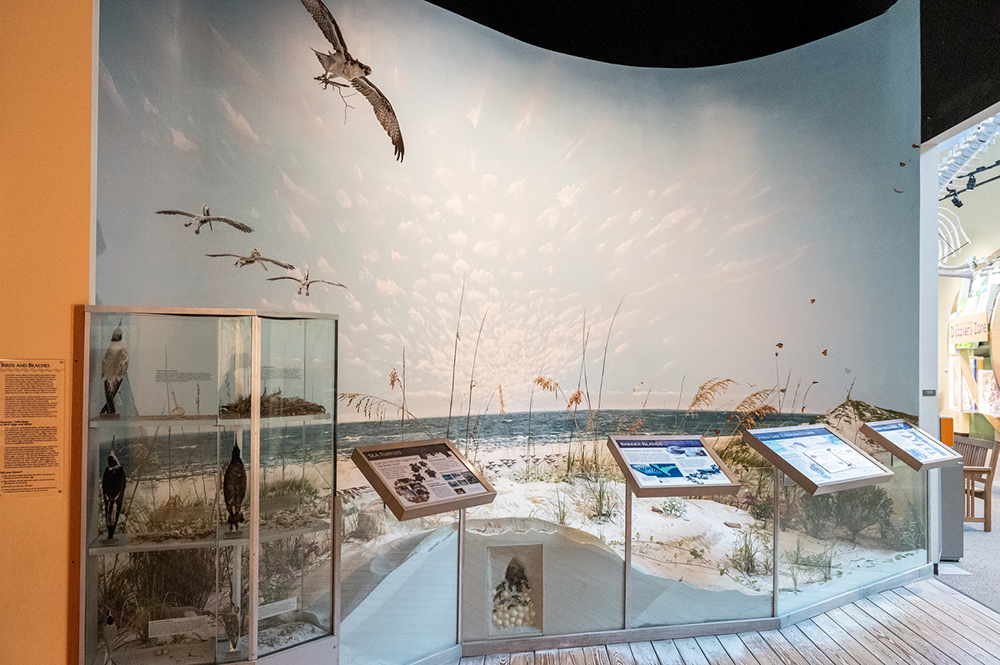
Tidal marsh scene at the Northwest Florida exhibit. ©Florida Museum/Kristen Grace
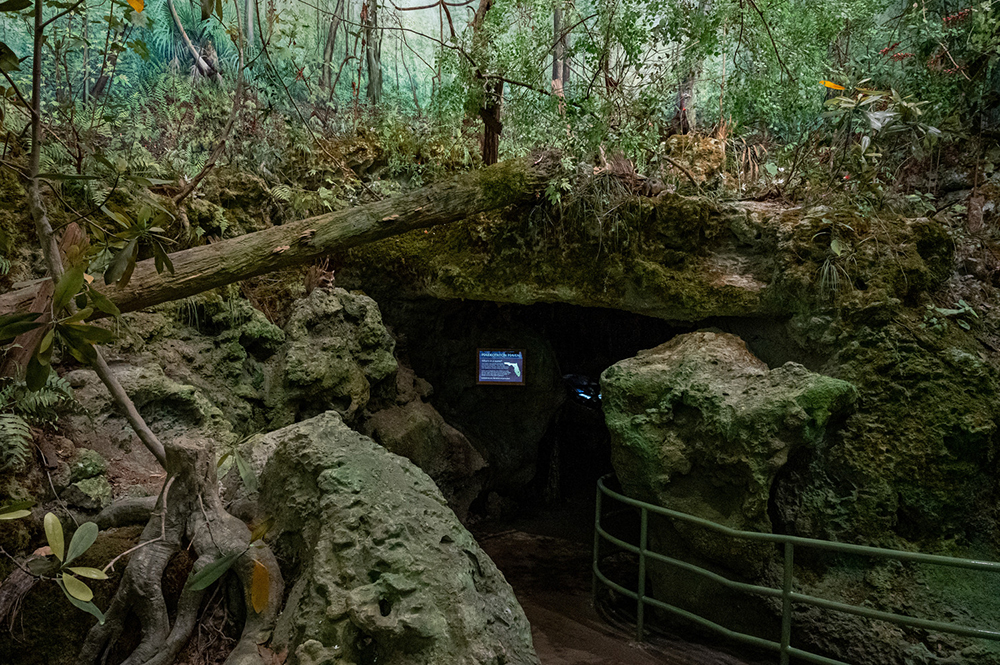
The entrance to the cave in the Northwest Florida exhibit. ©Florida Museum/Kristen Grace
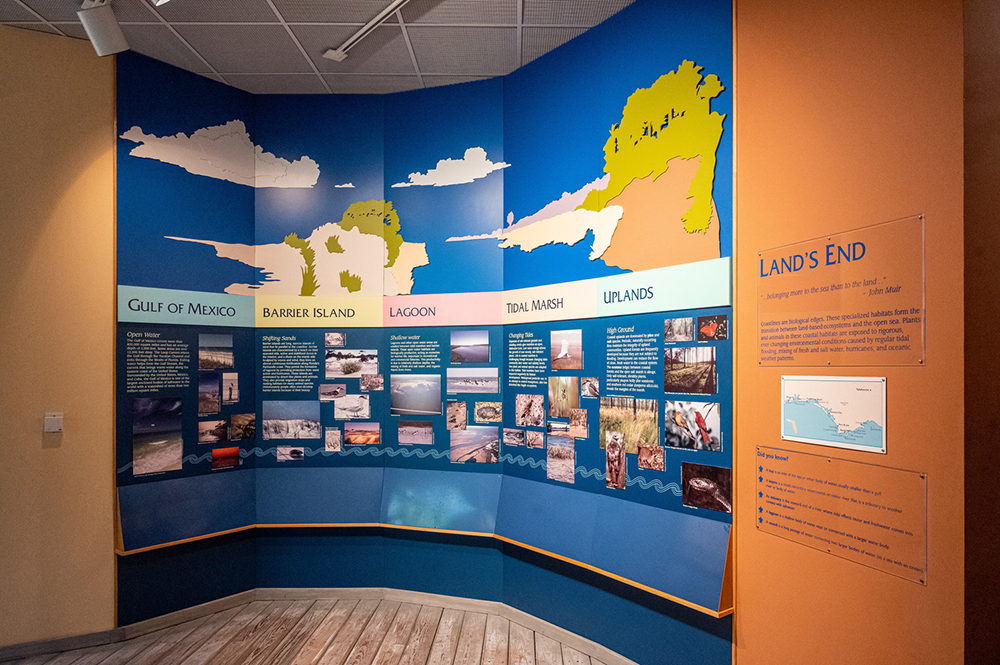
Tidal marsh scene in the Northwest Florida exhibit. ©Florida Museum/Kristen Grace
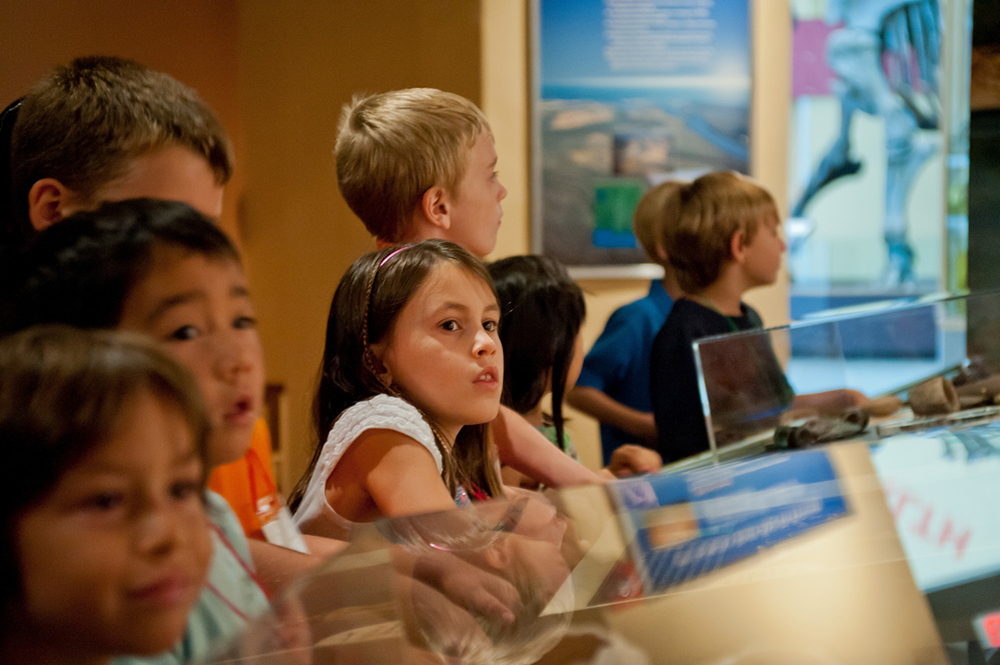
Fascinating young and old minds for over 20 years, the Northwest Florida exhibit invited museum visitors to experience the unique beauty of Florida’s panhandle. ©Florida Museum/Kristen Grace
The mesmerizing Florida hammock forest was nothing short of jaw-dropping with trees that enveloped visitors from head to toe. Gladly, this forest won’t be away for long as it will continue to be a part of the museum in the upcoming Water Shapes Florida exhibit.
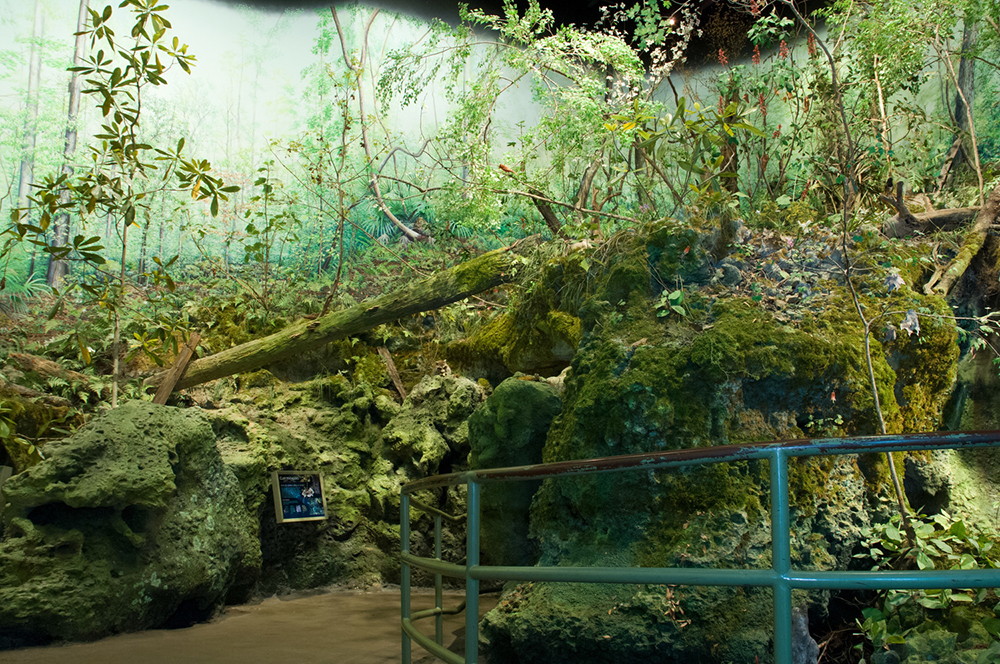
The Northwest Florida exhibit’s hammock forest won’t be away for long as it will continue to be a part of the museum in the upcoming Water Shapes Florida exhibit. ©Florida Museum/Mary Warrick
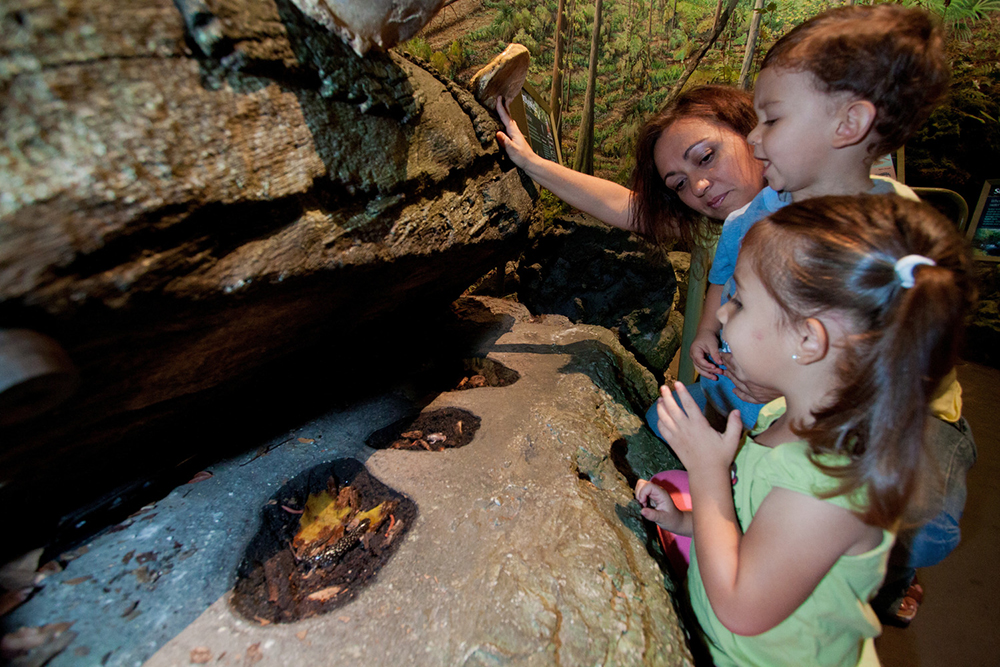
Visitors explore under logs in the Northwest Florida exhibit. ©Florida Museum/Eric Zamora
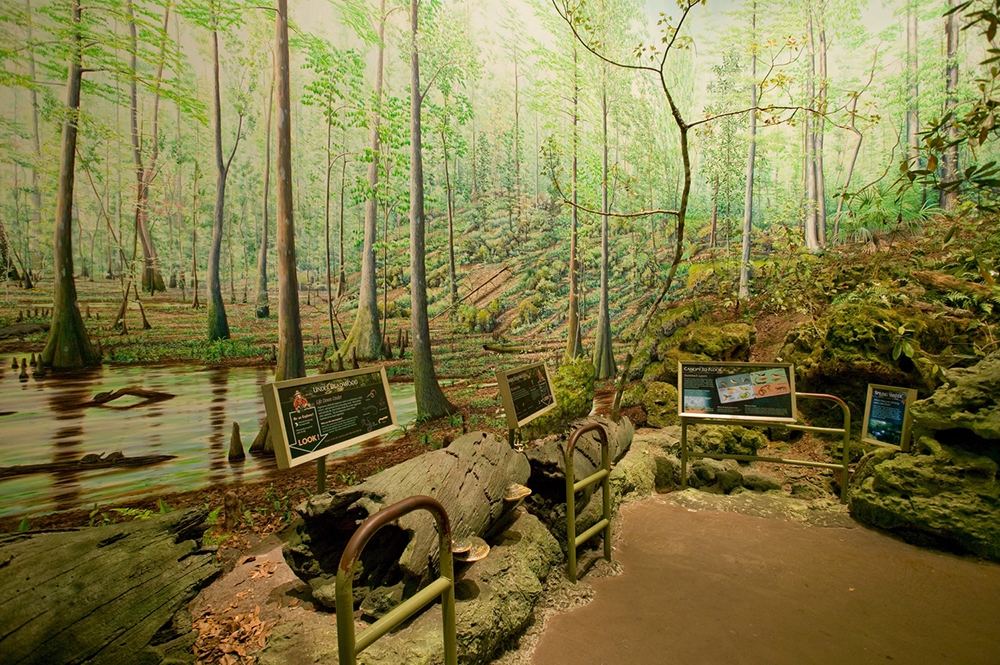
The mesmerizing Florida hammock forest was nothing short of jaw-dropping with trees that enveloped visitors from head to toe. ©Florida Museum/Eric Zamora
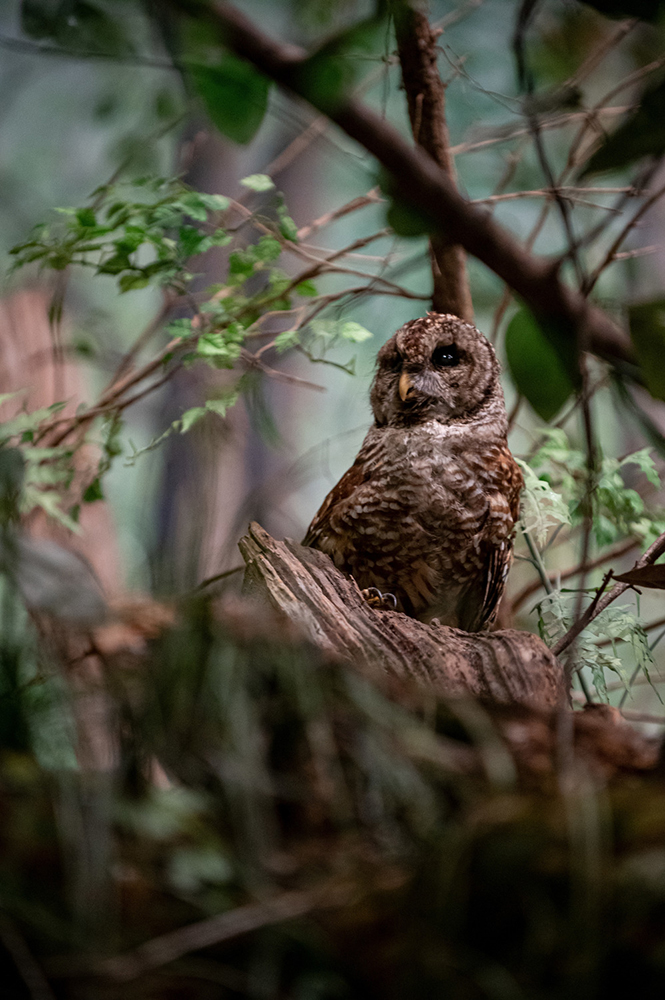
The Northwest Florida exhibit exposed visitors to the natural wildlife of Florida’s panhandle. ©Florida Museum/Kristen Grace
Similarly, the decades-old cave will make an appearance in our Water Shapes Florida exhibit. A fan favorite, the Northwest Florida exhibit’s cave rendition encouraged exploration of its limestone structure and took visitors on a deep dive into the lives of the eccentric animals that call this place home. In the new exhibit, the cave will more intentionally tell the story of Florida geology and the unique limestone aquifer that stores most of our drinking water.

Depictions of snakes, among other animals, introduced visitors to the incredible wildlife that can be seen in northwest Florida’s caves. ©Florida Museum/Kristen Grace
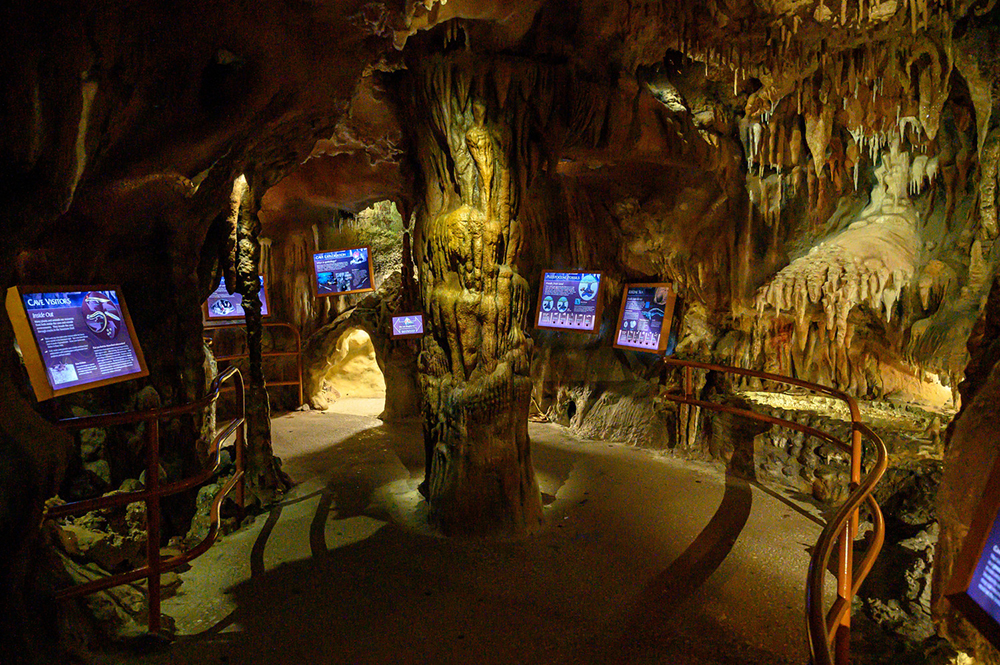
Inside of the cave in the Northwest Florida exhibit. ©Florida Museum/Kristen Grace

A fan favorite, the Northwest Florida exhibit’s cave rendition encouraged exploration of its limestone structure. ©Florida Museum/Kristen Grace
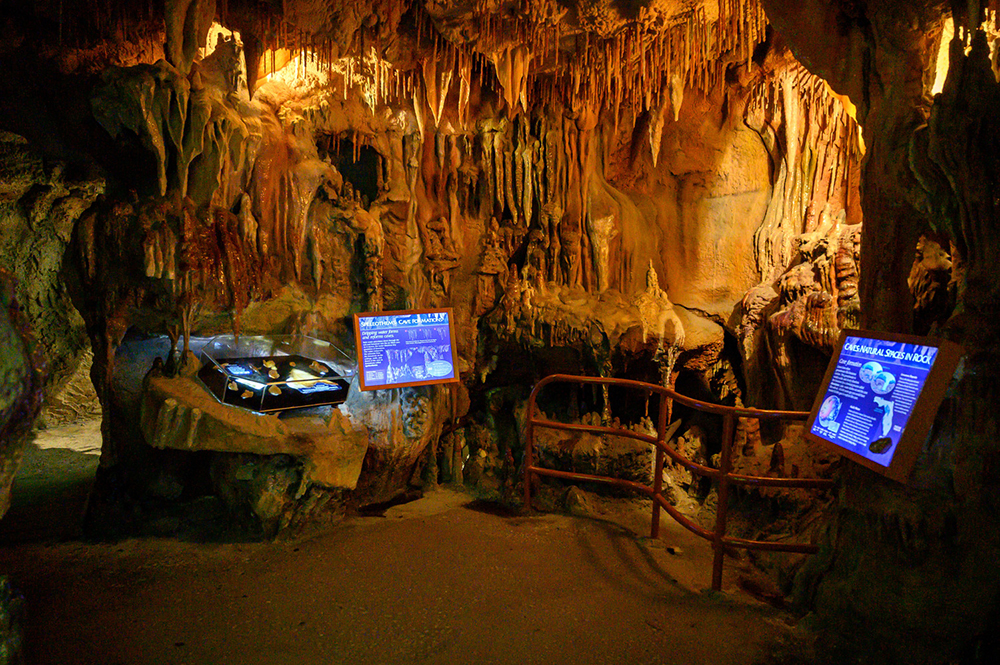
The cave from the Northwest Florida exhibit will make an appearance in our Water Shapes Florida exhibit. ©Florida Museum/Kristen Grace

The Northwest Florida exhibit took visitors on a deep dive into the lives of the eccentric animals that call this place home. ©Florida Museum/Eric Zamora
A life-size bog featured giant replicas of rare, misunderstood carnivorous plants and encouraged visitors to close their eyes and listen to the sounds of the life that surround them.
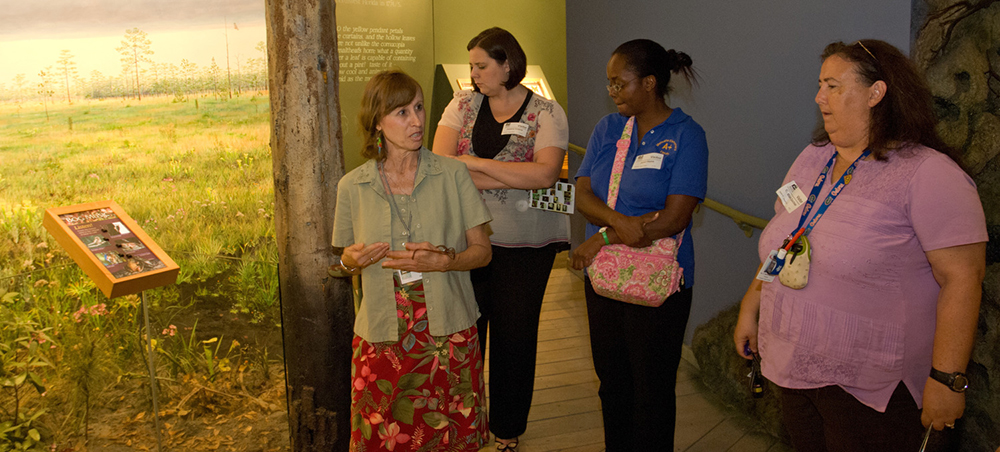
Museum staff and volunteers lead teachers and program coordinators through the Northwest Florida exhibit. ©Florida Museum/Eric Zamora
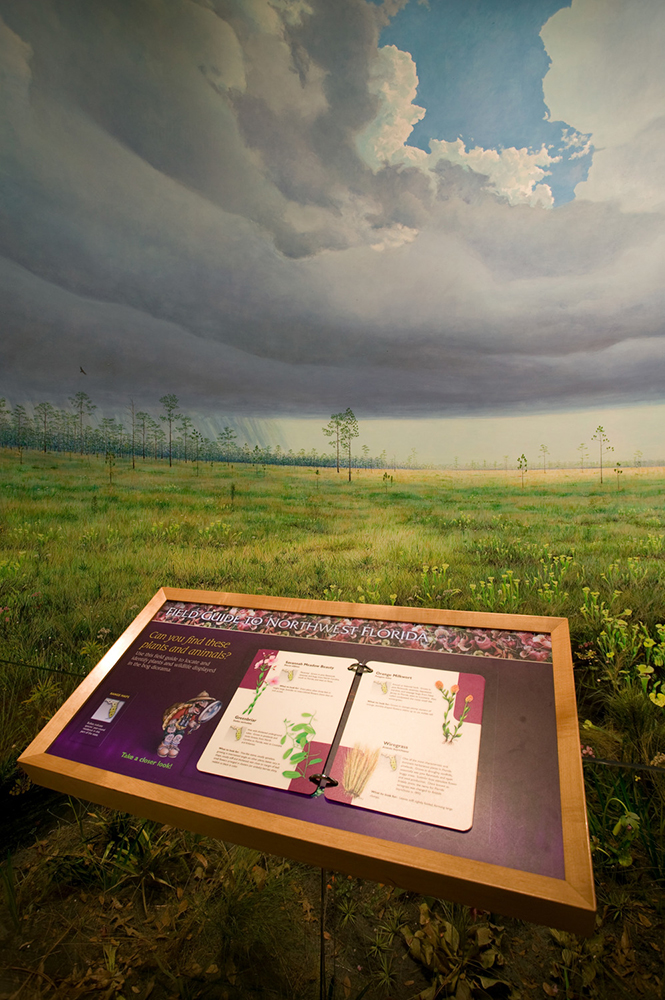
A field guide to northwest Florida encourages visitors to close their eyes and listen to the sounds of the life that surround them. ©Florida Museum/Eric Zamora
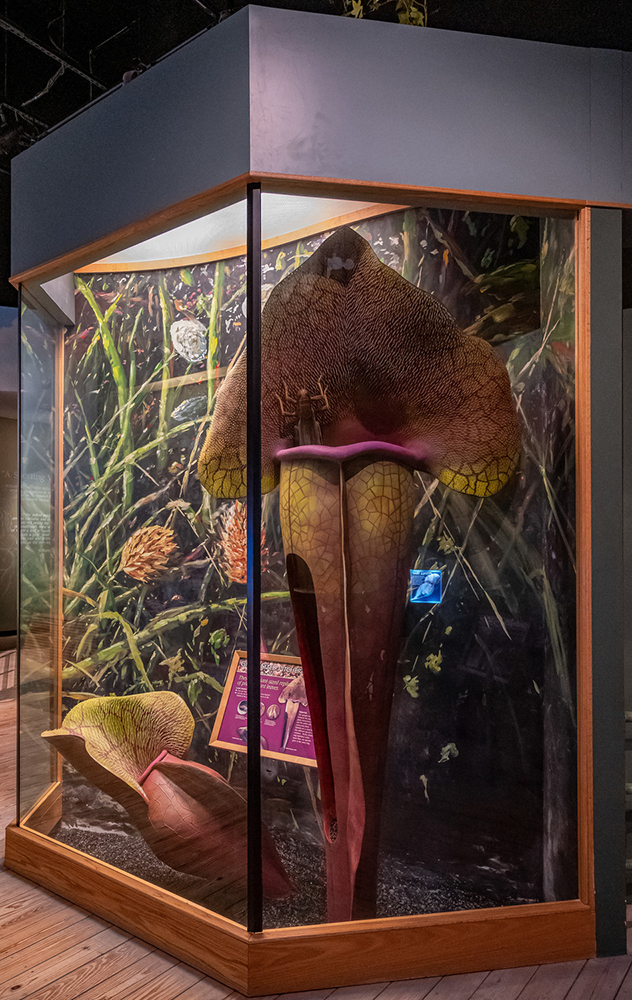
A life-size bog in the Northwest Florida exhibit featured giant replicas of rare, misunderstood carnivorous plants. ©Florida Museum/Kristen Grace
Depictions of a Native American trading scene set in 1300 A.D. took visitors back in time along the Apalachicola River to a moment when northwest Florida served as a political and cultural hub.
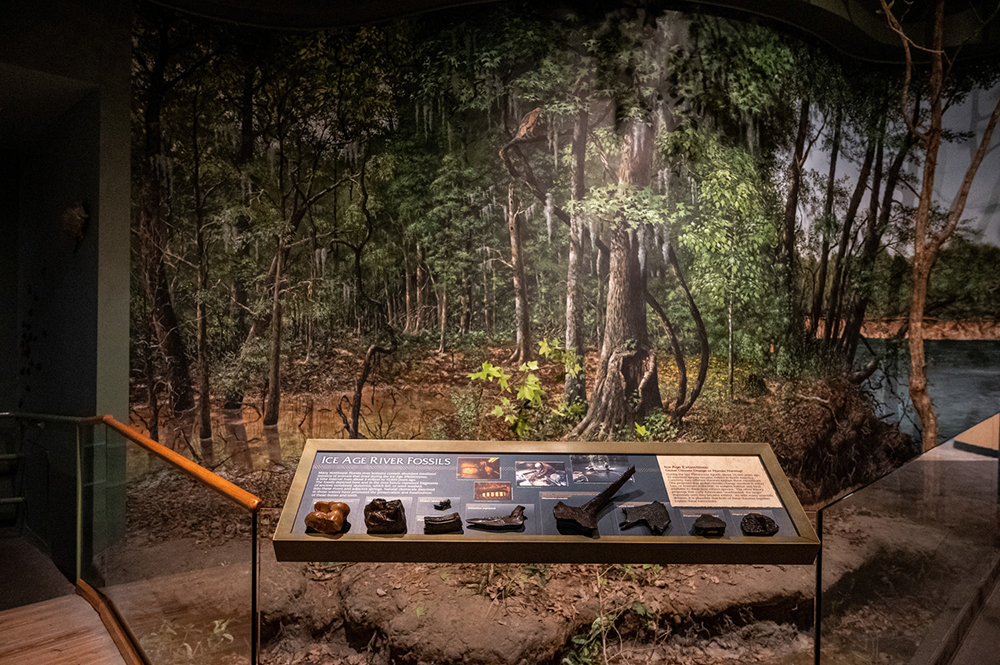
Visitors in the Northwest Florida exhibit learn more about the fossils that have been found in Northwest Florida rivers. ©Florida Museum/Kristen Grace
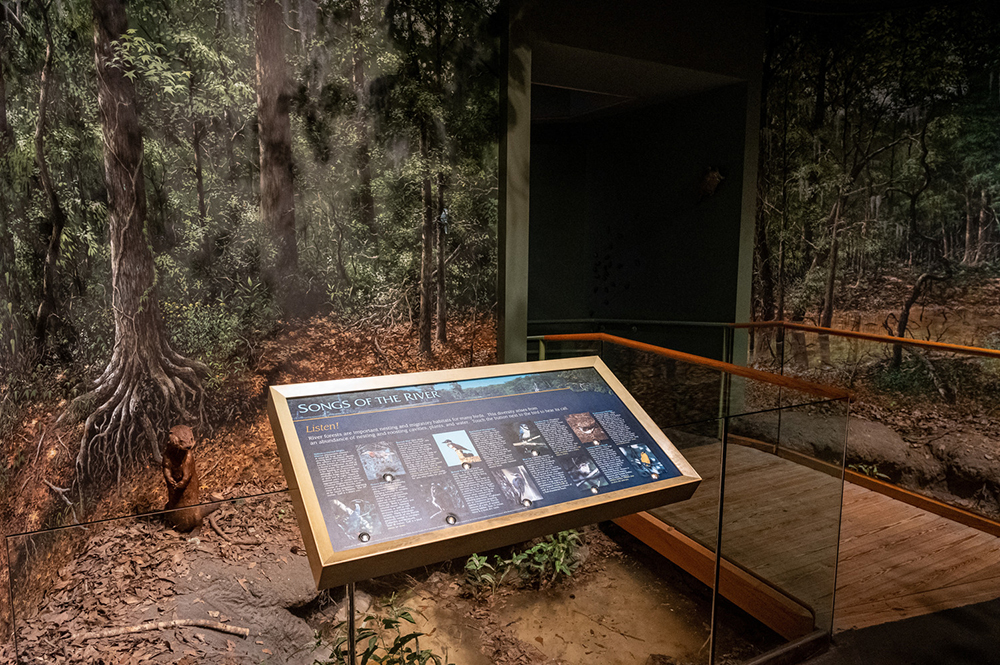
Visitors in the Northwest Florida Exhibit are encouraged to press buttons on an interactive board that demonstrates the many sounds of northwest Florida’s wildlife. ©Florida Museum/Kristen Grace
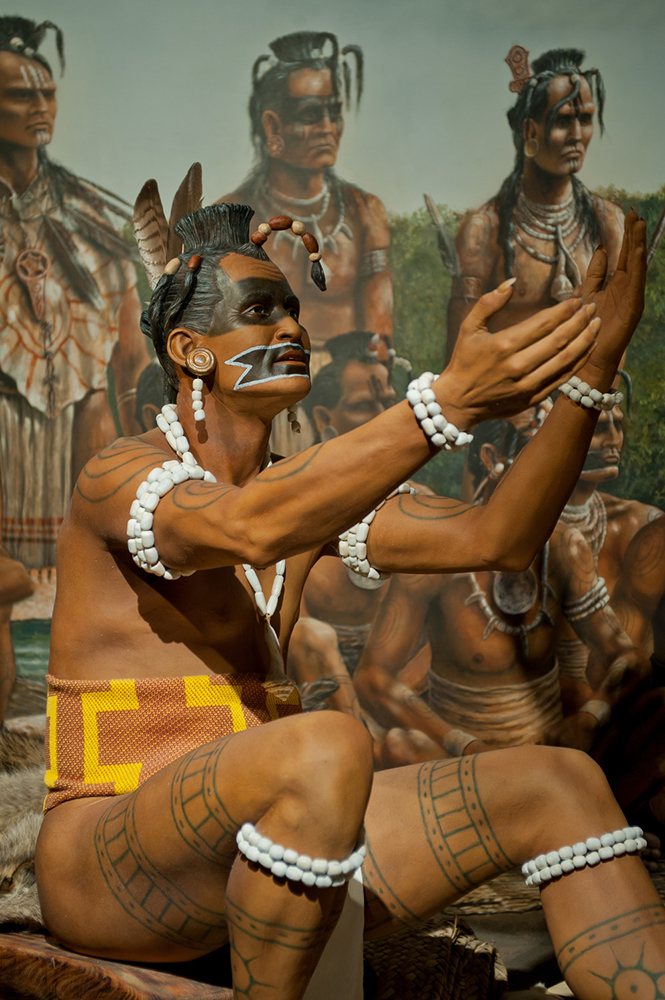
A Calusa person is shown in a depiction of a Native American trading scene set in 1300 A.D. ©Florida Museum/Kristen Grace
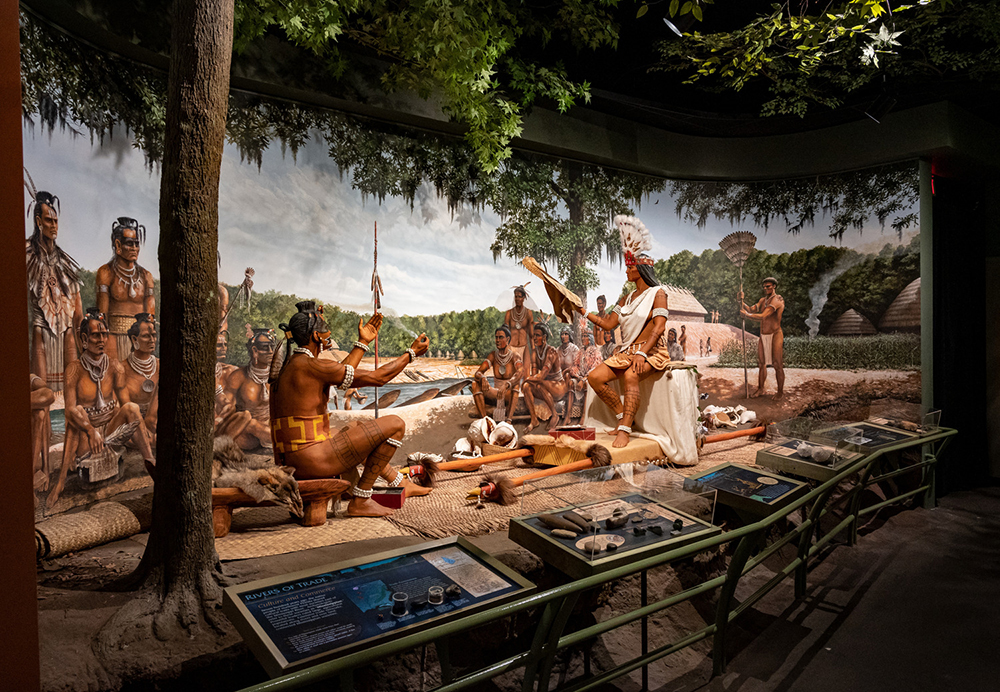
Depictions of a Native American trading scene set in 1300 A.D. took visitors back in time along the Apalachicola River to a moment when northwest Florida served as a political and cultural hub. ©Florida Museum/Kristen Grace
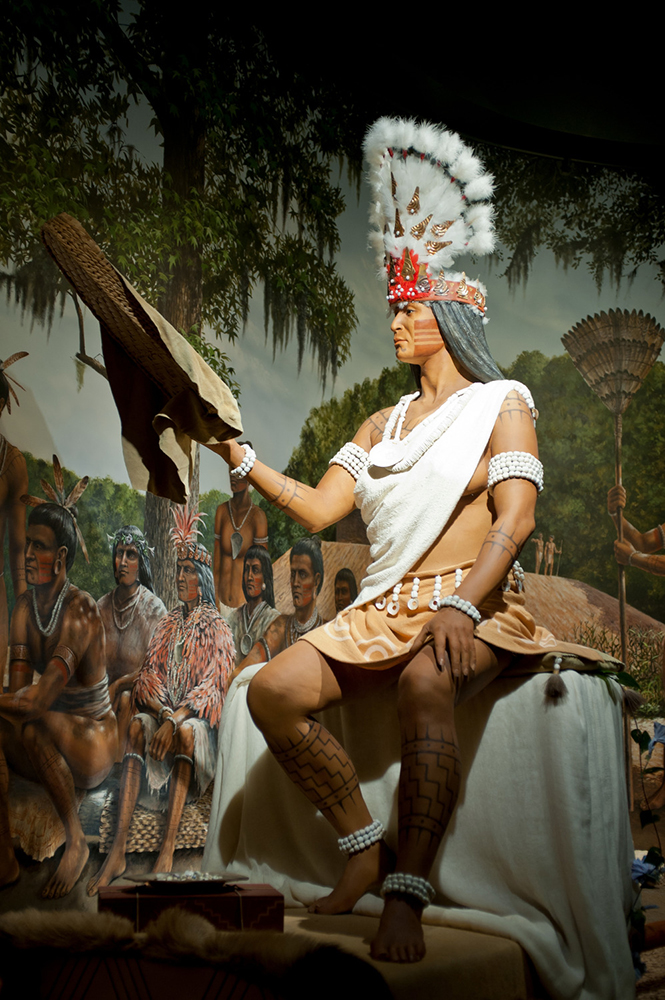
As far back as 5,000 years ago, the native people of Florida imported and exported goods along the Apalachicola River. ©Florida Museum/Kristen Grace
The tremendous task of building an immersive exhibit that captures the sounds and sights of Northwest Florida required skill, determination and passion – all characteristics of our wonderful museum staff, volunteers and partners. Giving countless hours to hand paint murals and carve out sculptures, we thank everyone involved in bringing this exhibit to life, as well as the staff and volunteers who have helped maintain its timeless beauty since its inauguration on Aug. 19, 2000.
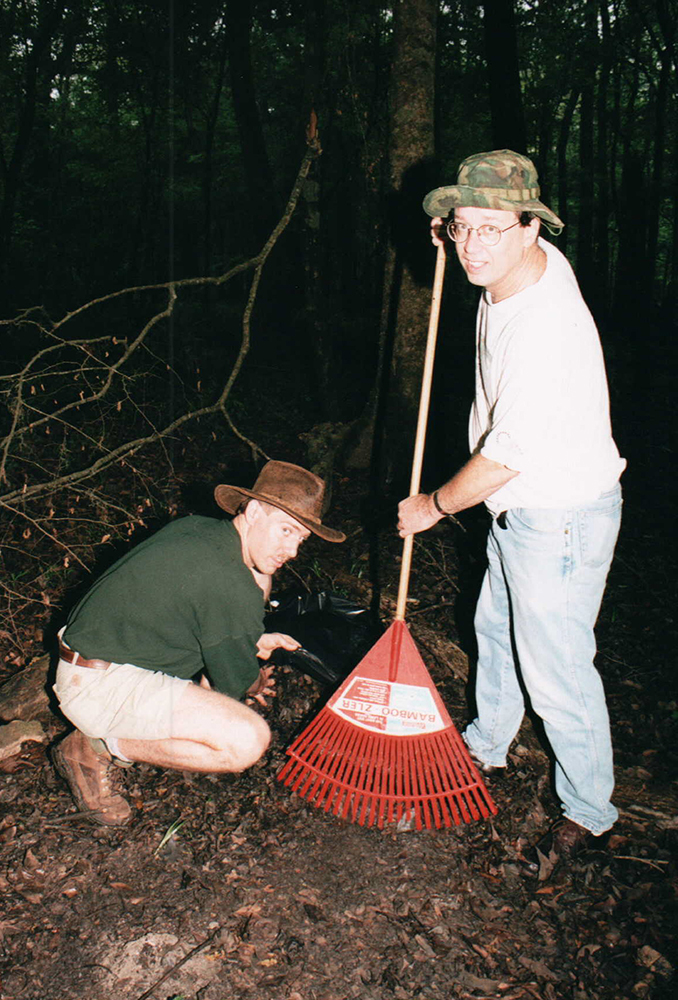
Former museum staff members Brian Chamberlain and Jay Weber collect leaves for the Northwest Florida exhibit. ©Florida Museum/Archives
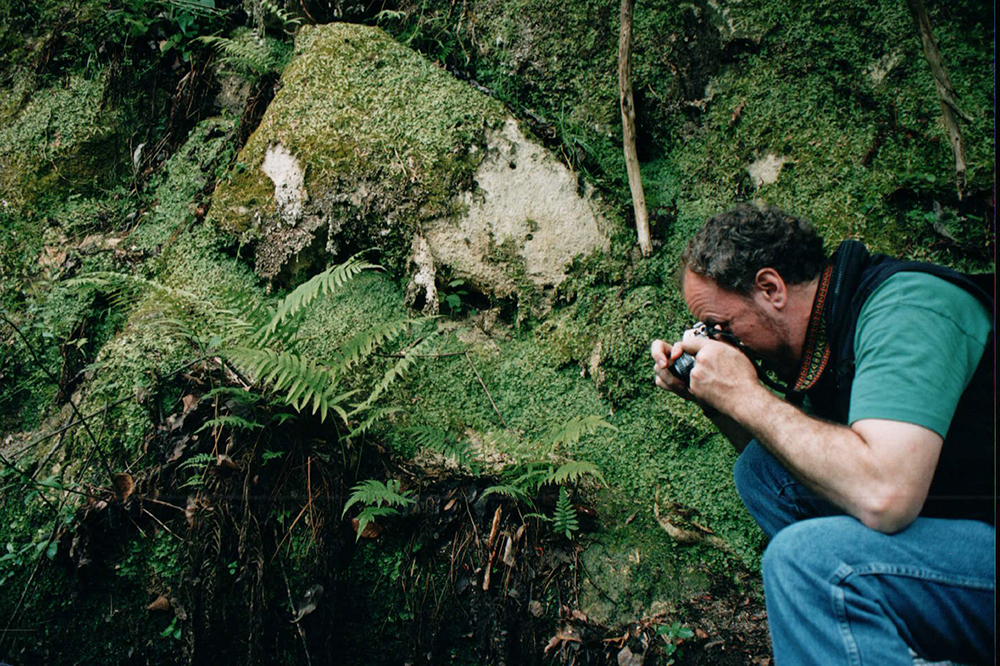
Former staff member Merald Clark takes pictures in nature to use as inspiration for the Northwest Florida exhibit. ©Florida Museum/Archives
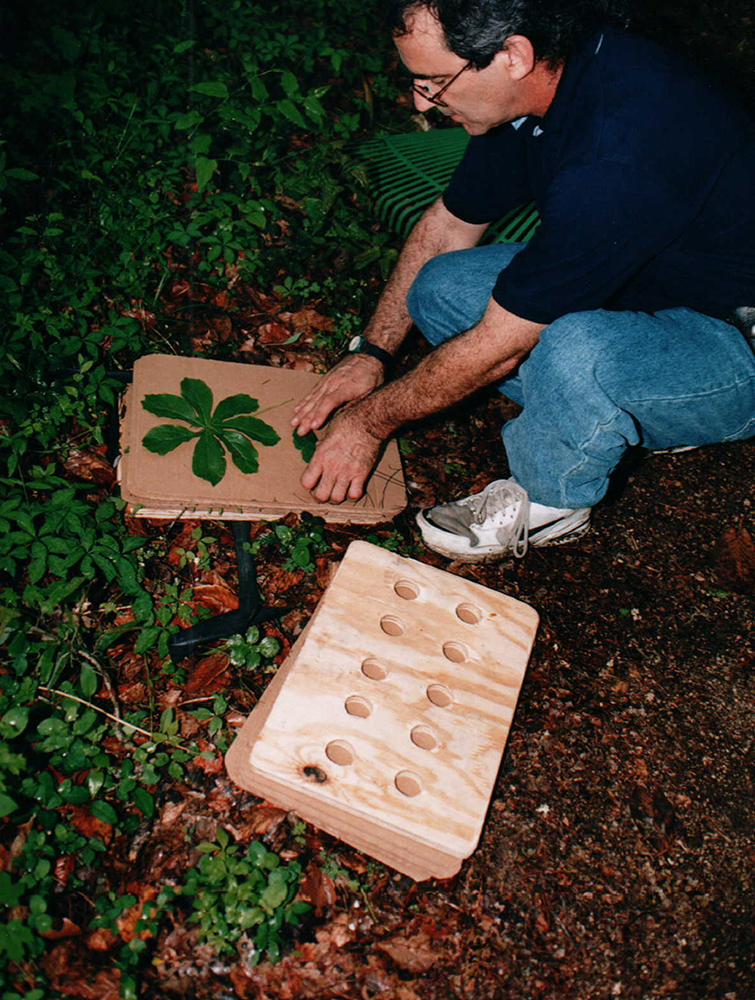
Former staff member Bob Leavy presses leaves for the Northwest Florida exhibit. ©Florida Museum/Archives
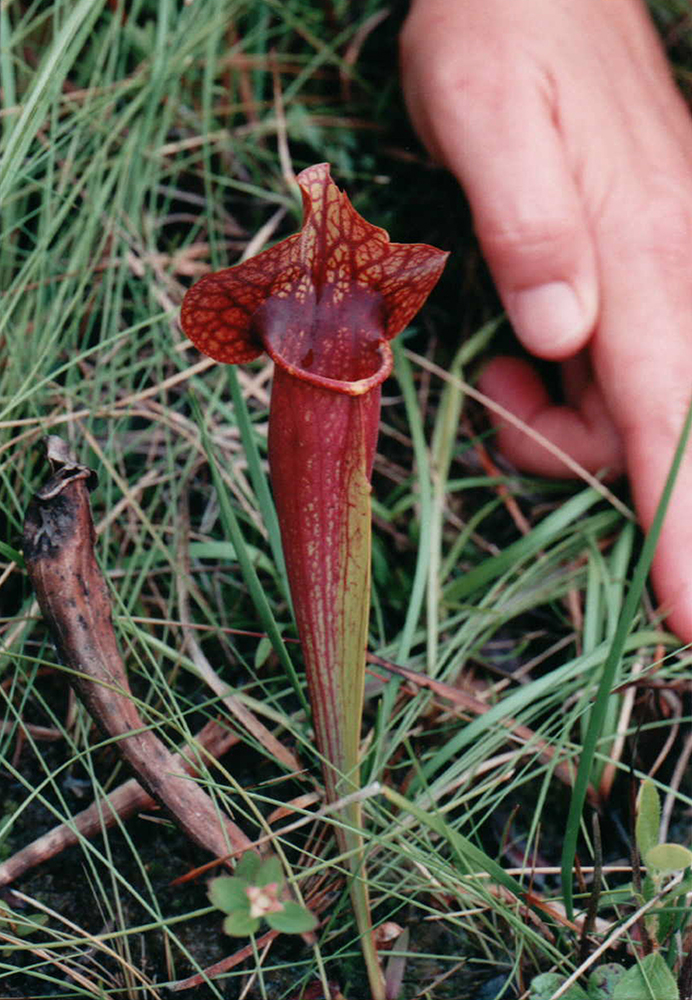
Staff members took pictures of many plants to ensure accurate replication of their features in the Northwest Florida exhibit. ©Florida Museum/Archives
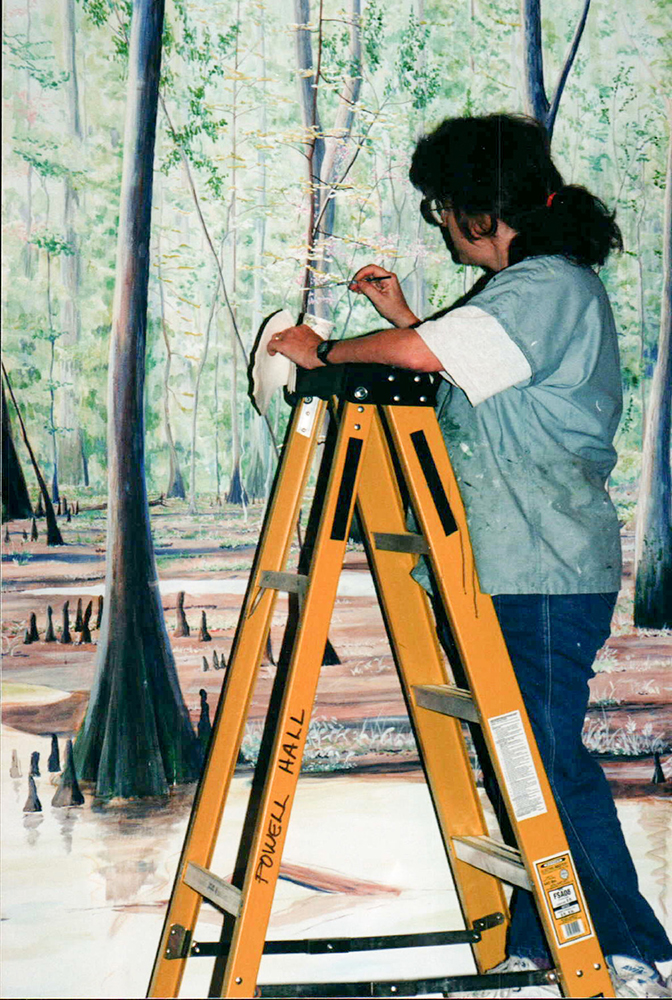
A 1997 image of former museum staff member Stacey Breheny painting the Northwest Florida exhibit’s hammock forest. ©Florida Museum/Archives
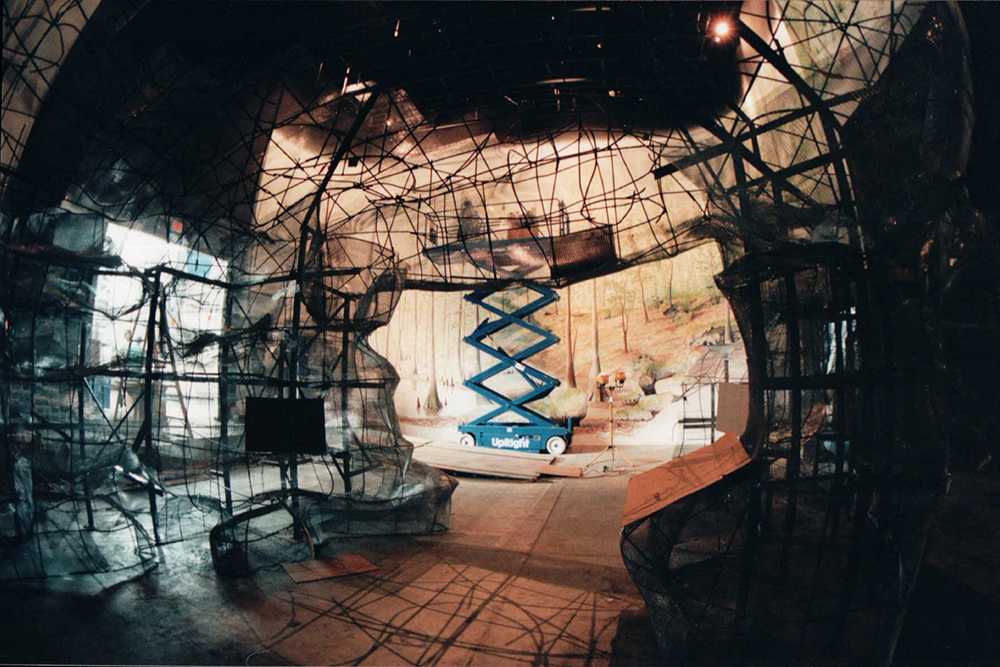
Building the cave in the Northwest Florida exhibit. ©Florida Museum/Archives
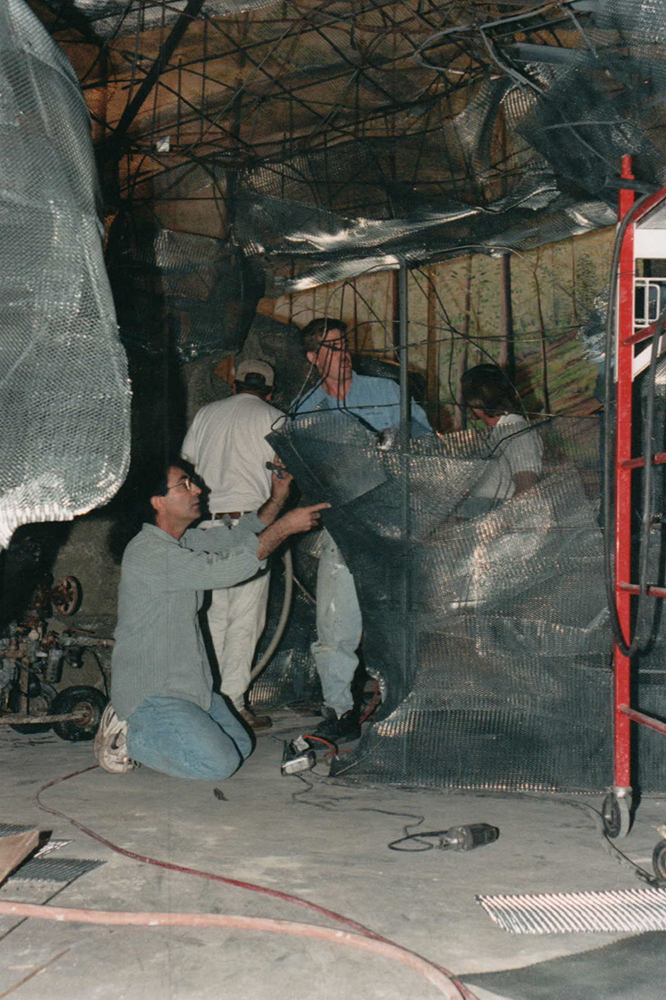
Former museum staff members Bob Leavy and Brian Chamberlain building the Northwest Florida exhibit’s iconic cave scene. ©Florida Museum/Archives
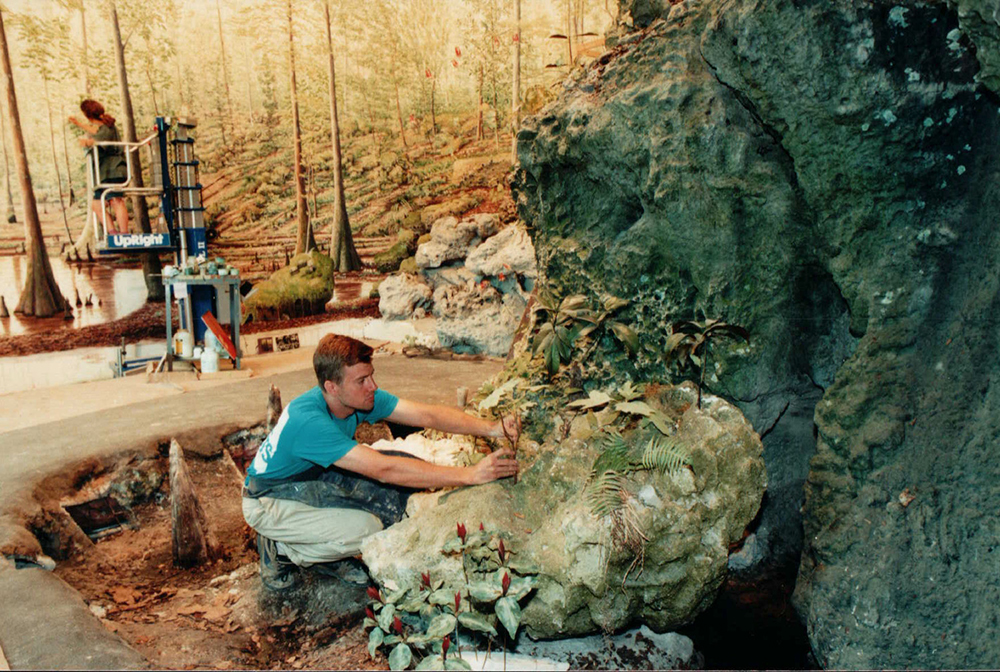
Former museum staff member Brian Chamberlain working on the Northwest Florida exhibit’s hammock forest. ©Florida Museum/Archives
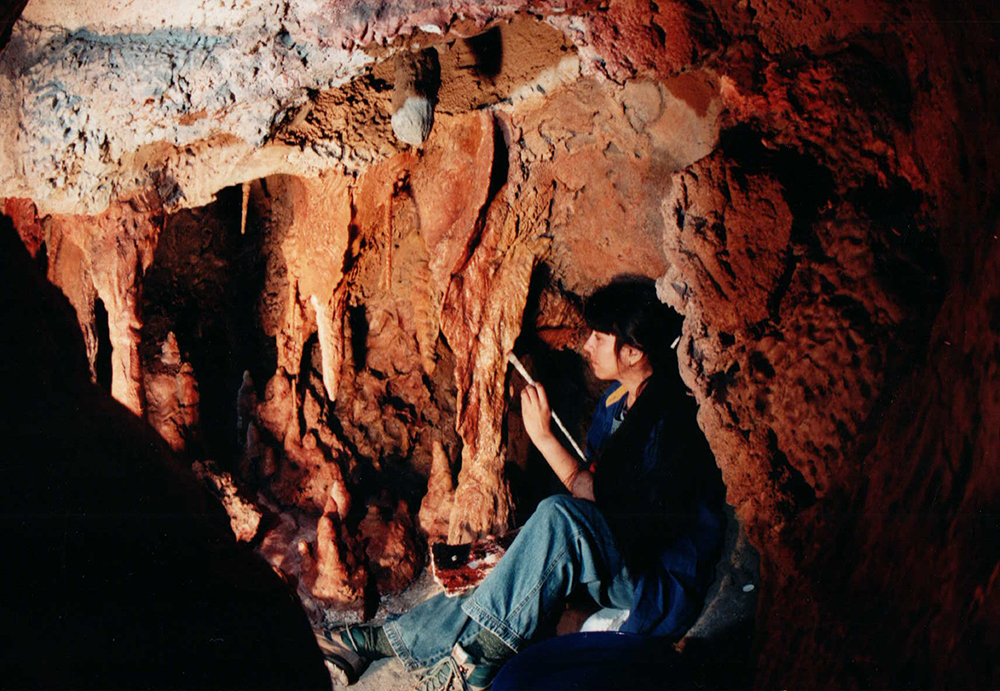
Former staff member Karen Aneiro carefully paints the cave in the Northwest Florida exhibit. ©Florida Museum/Archives
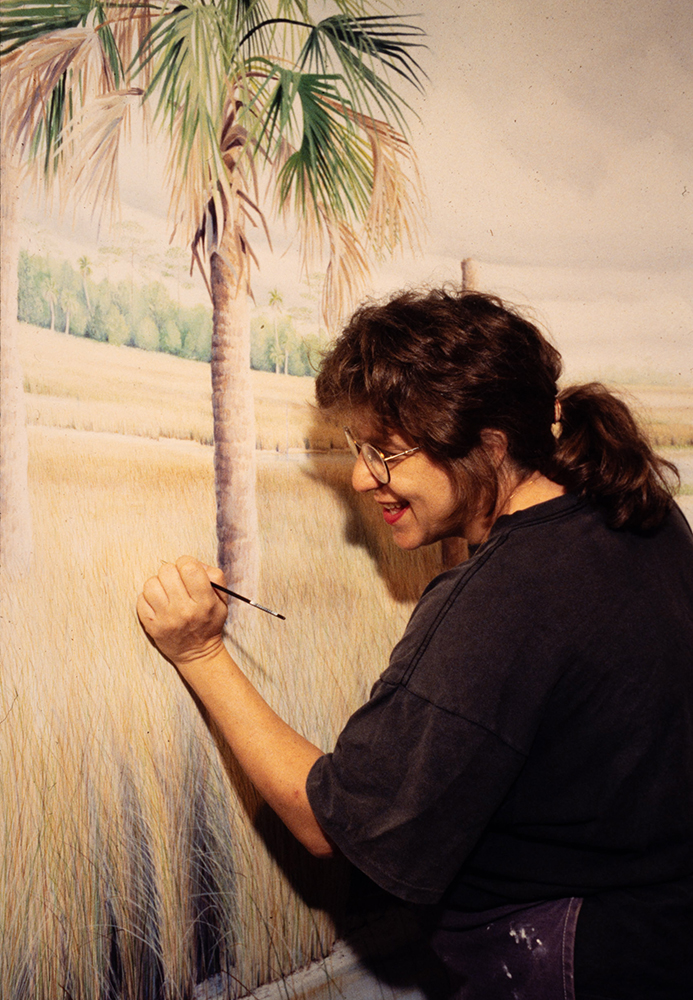
Former museum staff member Stacey Breheny painting the Northwest Florida exhibit’s tidal marsh scene. ©Florida Museum/Archives
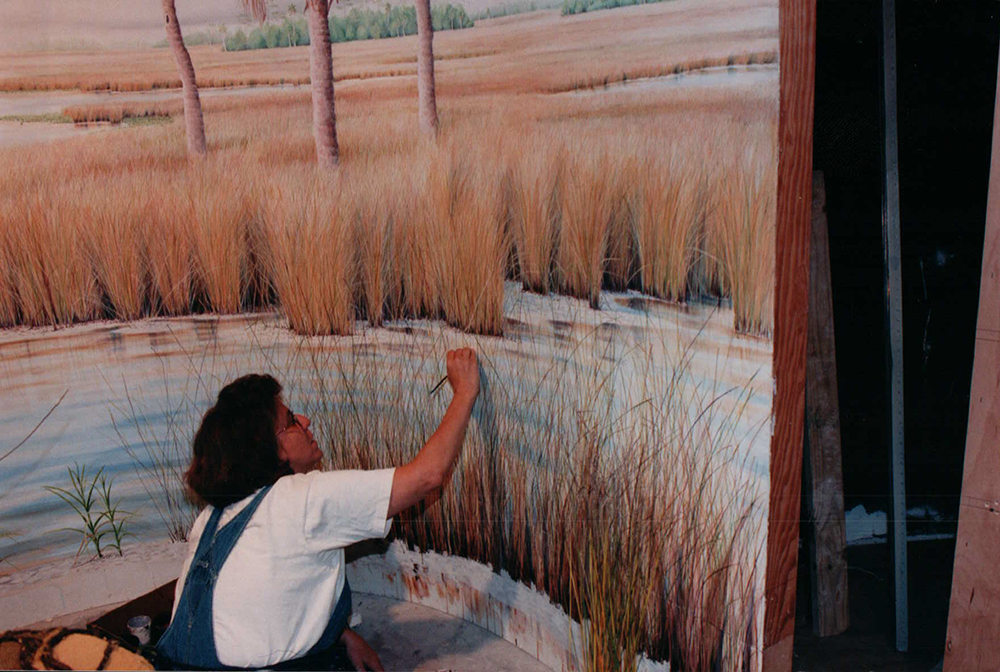
Former staff member Stacey Breheny paints the tidal marsh scene in the Northwest Florida exhibit. ©Florida Museum/Archives
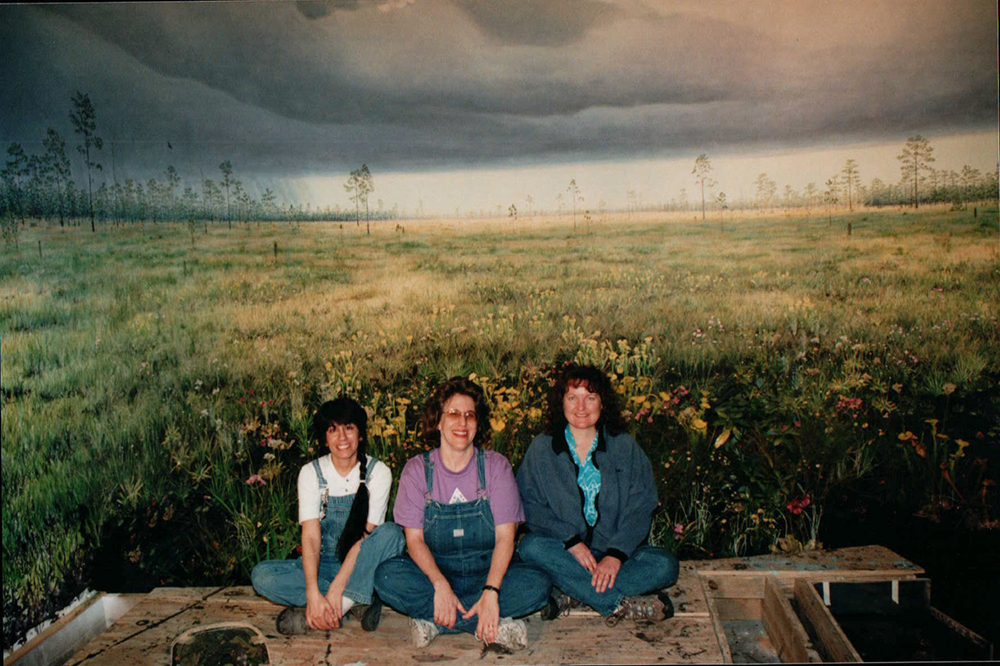
Former and current museum staff members, Karen Aneiro, Stacey Breheny and Dale Johnson, sitting in front of the completed painting of the life-size bog scene at the Northwest Florida exhibit. ©Florida Museum/Archives
After 22 years, the Northwest Florida exhibit was in need of renovations to both infrastructure and content. “We recognize this as a huge opportunity for us as the state museum of natural history to tell the story of water, arguably Florida’s most important resource, and in a compelling way that both informs and inspires conservation and stewardship,” said Darcie MacMahon, the Florida Museum’s director of exhibits and public programs. We are confident that Water Shapes Florida will extend the Northwest Florida exhibit’s legacy by promoting education and fostering community engagement about Florida’s amazing natural history and critical water resources.
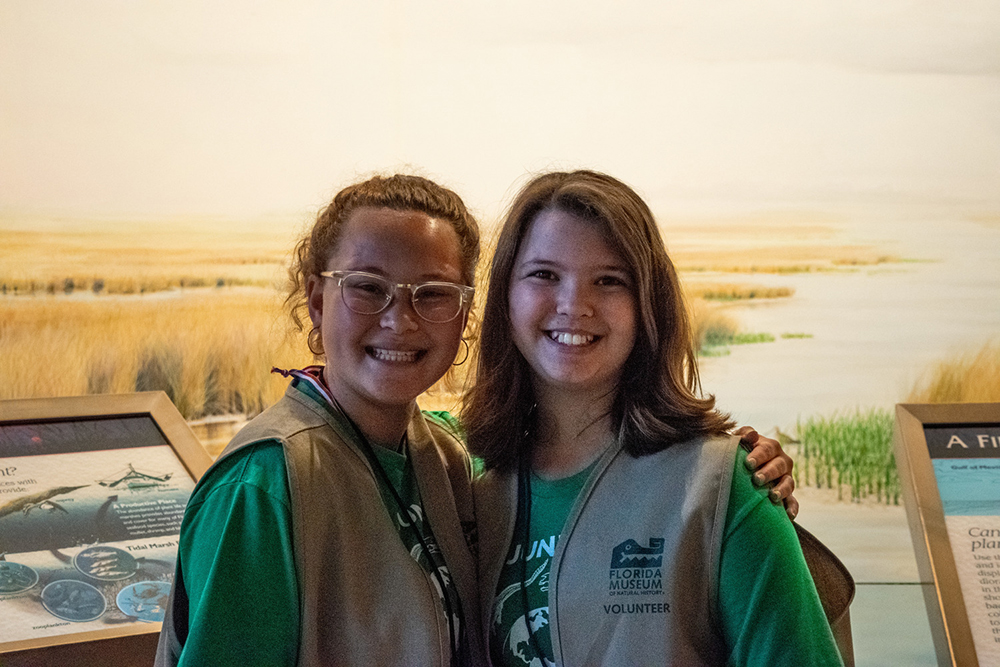
Museum volunteers work to spread the critical information harbored in the Northwest Florida exhibit to visitors. ©Florida Museum/Karina Lowyns
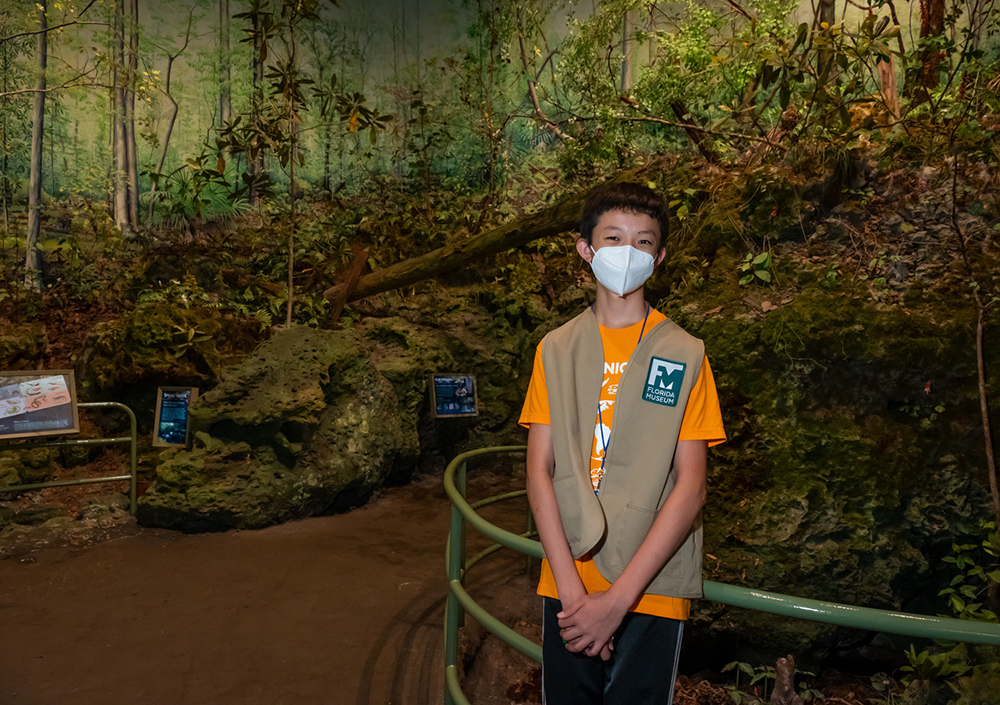
The museum is thankful for the staff and volunteers who have helped maintain the Northwest Florida exhibit’s timeless beauty since its inauguration on Aug. 19, 2000. ©Florida Museum/Jeff Gage
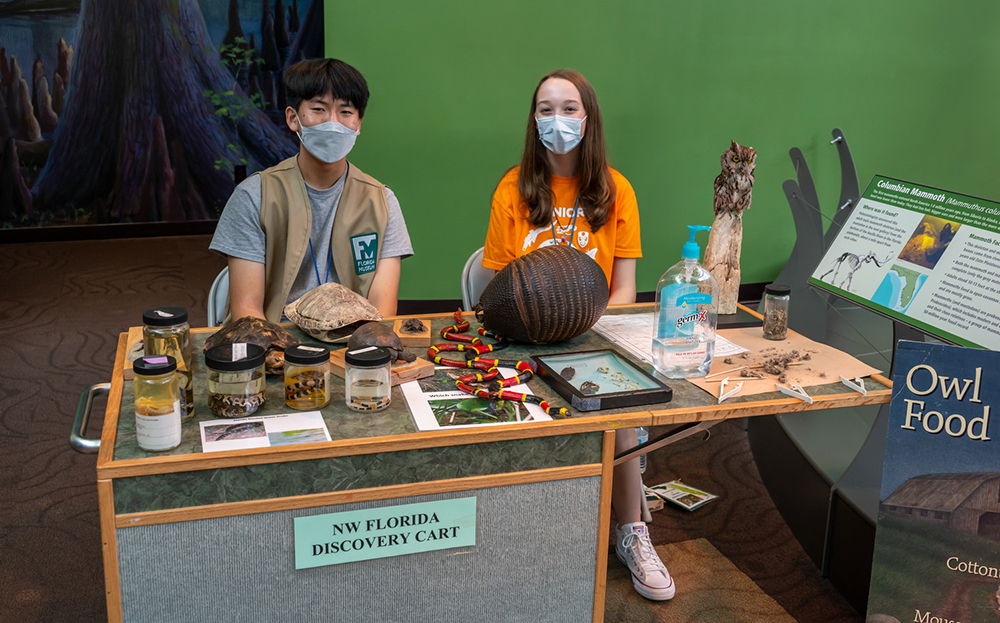
Museum volunteers put northwest Florida’s flora and fauna on display for visitors. ©Florida Museum/Jeff Gage
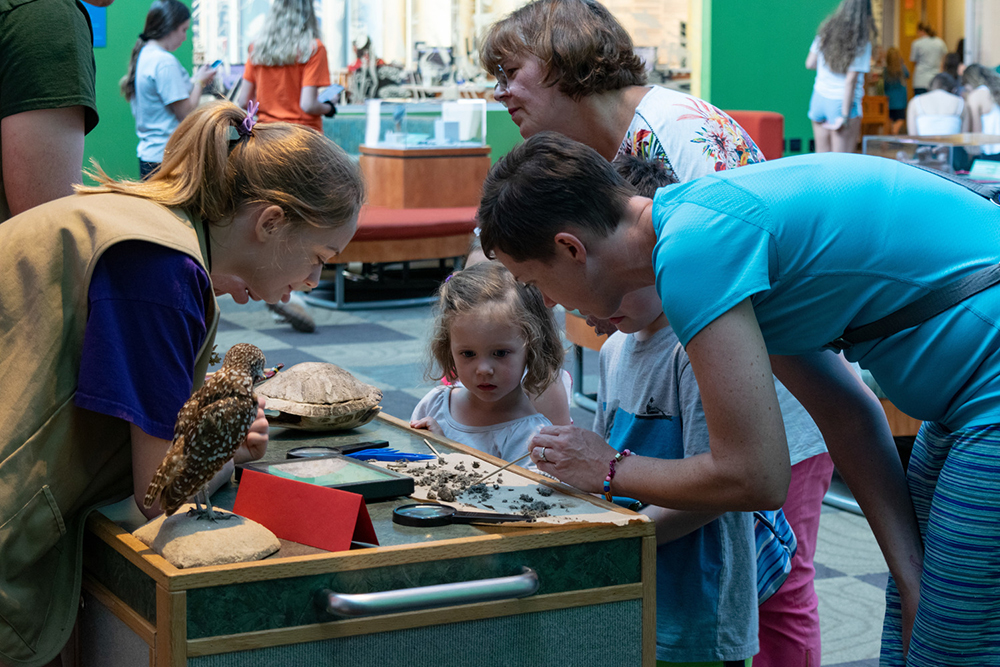
Fascinating young and old minds for over 20 years, museum volunteers invited visitors to experience the unique beauty of Florida’s panhandle through the Northwest Florida exhibit. ©Florida Museum/Karina Lowyns