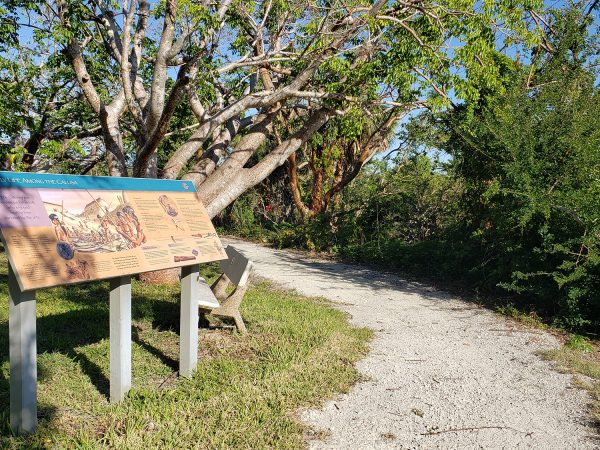
More of the Calusa Heritage Trail is Open and Guided Tours are Available!
Over the last 429 days (since Hurricane Ian made landfall), our staff and volunteers have worked tirelessly on the Randell … Continue
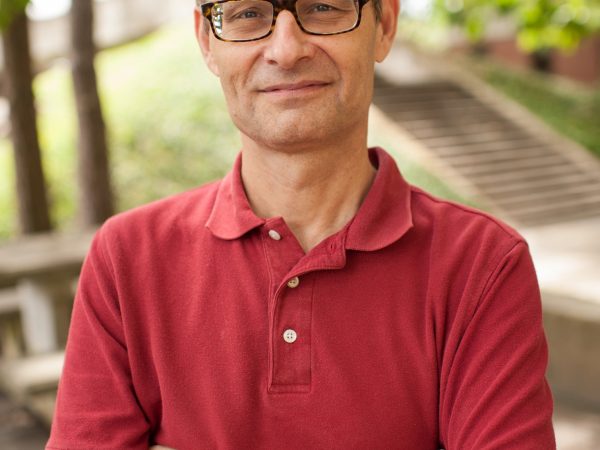
Recovering from Ian and Expanding our Reach!
Message from the Director: The Hurricane Ian Recovery Process Following my presentation at the Museum Director’s luncheon at the RRC, … Continue
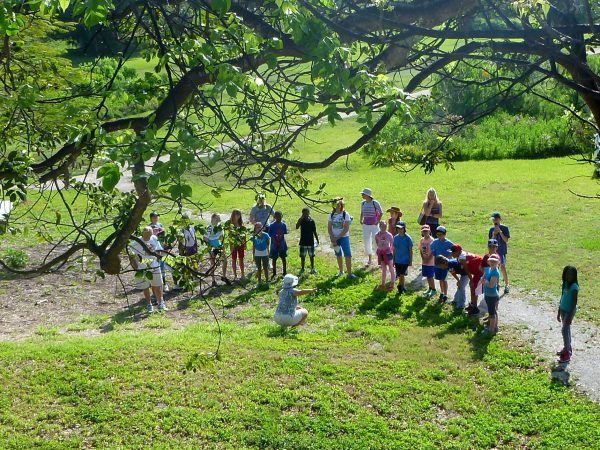
A Brief History of the Randell Research Center, Part 3: 2004-2023
As part of our celebration of the RRC’s 25th anniversary, we invited Bill Marquardt, RRC’s co-founder and first director, to … Continue
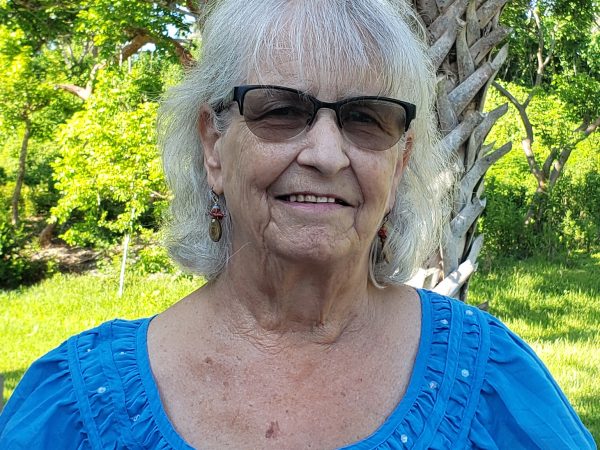
Wishing Linda a Joyous Retirement!
Linda Heffner has been an integral member of our team for years! She started her journey with the RRC as … Continue
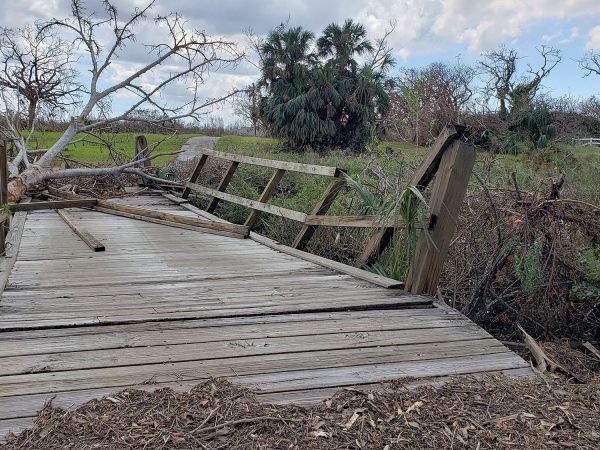
A Bridge to the Future
Dear friends, a priority of Randell Research Center and Florida Museum leadership has been to open the entirety of the … Continue
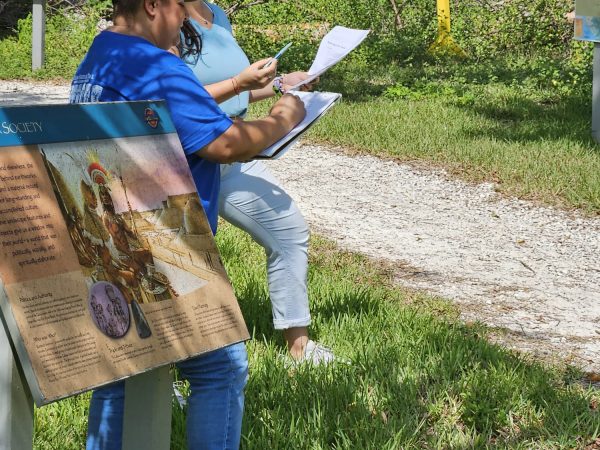
Strengthening the Disaster Risk Management Plan for Pineland Archaeological Site Complex
One of the coolest things about my job is collaborating with amazing people who share a deep passion for archaeology, … Continue
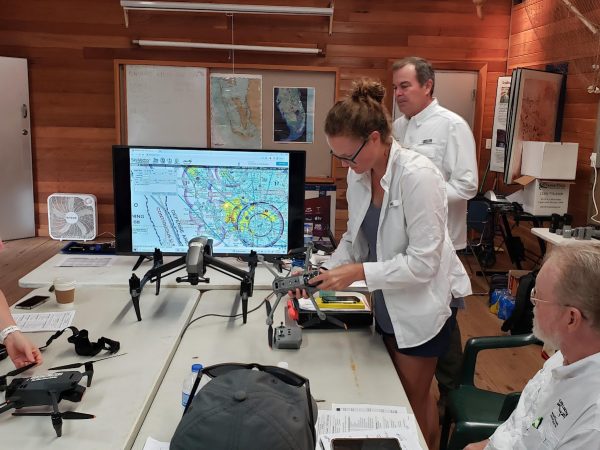
It’s a Bird, It’s a Plane, It’s a…Drone!
For those of you who spent time near the center from January to early March of this year, you might … Continue
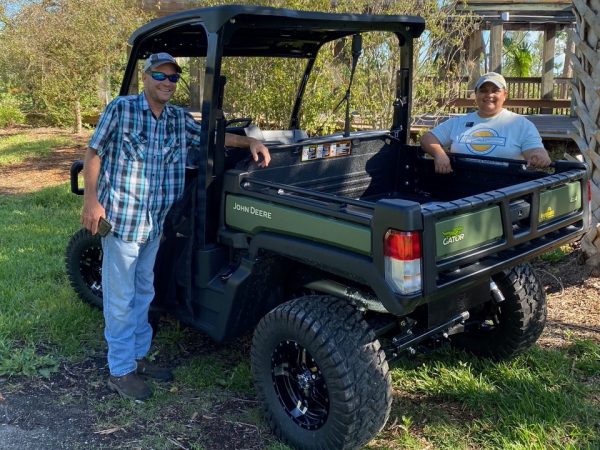
Gator spotted at Randell Research Center
The aftermath of Hurricane Ian is hard to imagine if you weren’t on the ground to see it. Storm surge … Continue
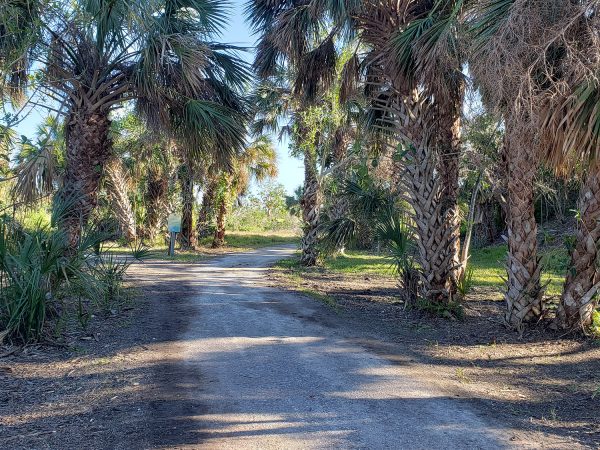
Looking forward: Portion of Trail re-opened, archeological survey grant
It’s been more than three months since Hurricane Ian tore through Florida, and recovery efforts at the Randell Research Center … Continue
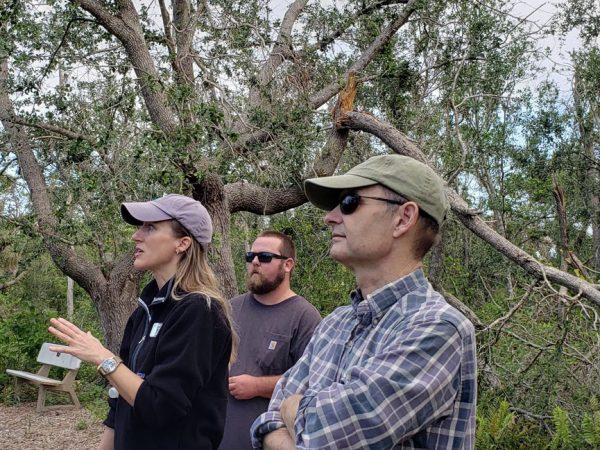
Archaeologists awarded NSF grant to survey Florida cultural heritage sites damaged by Hurricane Ian
The National Science Foundation awarded emergency funding to archaeologists at three institutions to survey cultural heritage sites damaged by Hurricane … Continue