Invertebrate Zoology (IZ) holds collections of animals other than vertebrates, as well as some other eukaryotes. Mollusks represent 80% of the collection, reflecting the original focus of the collection (Malacology), as well as the availability of shells. The collection was expended to IZ in 2000 and now holds representatives of over 20 animal phyla, as well as protists and algae. The mollusk collection is broad in habitat and geographic coverage. The research focus of past curator Fred Thompson and collection manager John Slapcinsky has led to exceptional freshwater and terrestrial mollusk coverage. Acquisition of relinquished university and private collections together with marine biodiversity surveys carried out by curator Gustav Paulay have resulted in a rich marine mollusk collection. The non-molluscan holdings are largely of marine invertebrates from biodiversity surveys in coastal habitats, especially coral reefs. The arthropod (mostly crustacean), echinoderm, bryozoan, and cnidarian collections are especially significant.
Most of the collection is digitized and available through the UF collection database, iDigBio, GBIF, OBIS, DiscoverLife and InvertEBase. Growth is largely from field surveys and acquisition of relinquished collections and has averaged 20K specimen lots/year in the past couple of decades. Currently (2023) the collection holds ~750K specimen lots of ~4M specimens. A large proportion of the material from biodiversity surveys is triple documented, with morphological vouchers, live-taken images, and tissue samples from the same specimen. The extensive image collection is currently being mobilized for online access through the NSF DigIn project. Much of the tissue collection is housed and accessible through the UF Genetic Resources Repository (see GRR sample ID in collection database); the backlog is processed into GRR as staff time permits.
The collection is housed at two facilities: the dry collection (~60% of lots) in Dickinson Hall, and the wet collection in the Special Collection building, together with offices of staff and students. GRR holdings are housed and managed separately. All samples in GRR have UF IZ catalog numbers, even when the entire specimen is a tissue sample and their metadata resides in the specimen database. Each phylum as well as protists and algae have unique catalog number series, so the Darwin triplet is “UF Invertebrate Zoology Phylum-###”.
What is Invertebrate Zoology?
Invertebrate zoology (IZ) is the study of animal biodiversity. “Invertebrates” include all animals exclusive of vertebrates, in an artificial division set up centuries ago. Of the 34 or so major divisions (phyla) of animal life, 33 and 2/3 are “invertebrate”. Animals come in a bewildering diversity of forms and pursue an amazing breadth of life styles, including:
Sponges live attached to the ocean floor, lack a nervous system, and filter water for food. Except some deep sea species turned to snagging plankton with specialized, hooked spicules.
Corals build reefs visible from space, the largest structures created by living things, including humans. Internal microscopic algae feed them, but they also indulge in carnivorous fare. Corals host countless other species in their complex colonies.
Worms… The word may repulse some, but for a zoologist, it means diversity. Over half of the animal phyla are “worms” – elongate, muscular organisms that swim in the ocean, burrow in the sea floor or reef, live in soil, or crawl inside most plants and animals large enough to host “helminth” parasites. Feather duster worms, pin worms, large flat worms that swim like flying carpets are unrelated “invertebrates” all sporting a “wormy” body plan.
Mollusks, the second largest phylum, are big not only in species diversity but in body form: worms, clams, slugs, flying squid, tusk shells, chitons, limpets, sea butterflies. The Florida Museum hosts about a third of the 100,000 known species.
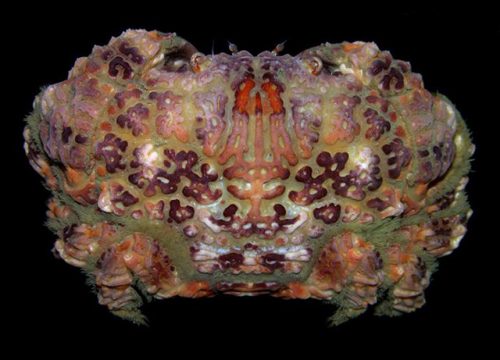
More species of arthropods are known than of all other animals put together. A better division of the world would be into Arthropods and Unarthropods… Body forms range from parasitic blobs, to centipedes, horseshoe crabs, and butterflies.
Echinoderms include the conspicuous sea stars, sea cucumbers, and sea urchins. They are our symmetrical, large, striking, but weird cousins. How many of your other cousins can change the consistency of their body to turn to slime, or to lock their arm in a position so that it will break before unbending?
Chordates are the most familiar animals, as they include fish, frogs, eagles, and humans. But they also include lancelets, salps, larvaceans, and sea squirts. Animals that make mucus houses several times their own size for filter feeding. Bioluminescent colonies 30 feet long that jet propel through the ocean. Brainless, fish-like lancelets that burrow in the ocean floor to filter-feed on plankton.
Welcome to zoodiversity. Hope you enjoy the pictures, stories, and resources about animal diversity that follow.