There are over 5,000 species of mammals worldwide and more are being discovered all the time. They range in size from the tiny bumblebee bat (1.5 grams) to the blue whale (over 100 tons).
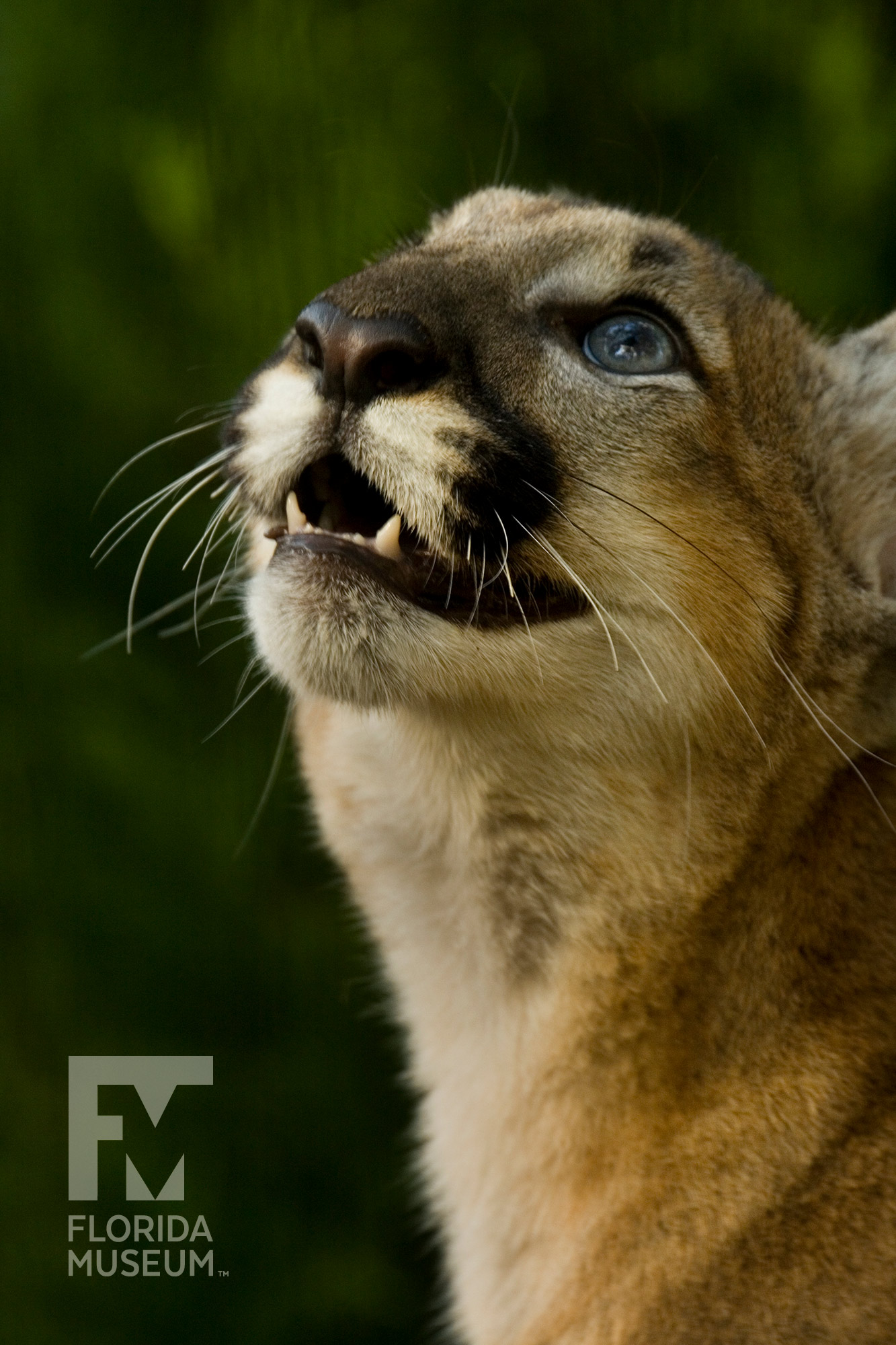
Mammals live in diverse habitats from desert to ocean. They fly, swim, run, glide, hop and much more. They live on all seven continents if you count marine mammals in Antarctica. Mammals are incredibly diverse and are exciting to study.
Here at the Florida Museum we study the evolutionary history of mammals. We can do this through a variety of methods, including DNA, morphology, and modelling. The Museum contains over 38,000 mammal specimens in its collection, and the data associated with them are fully searchable online.
In addition to conducting research on mammals, we mentor both undergraduate and graduate students, and we educate the public about mammals in various ways.
Take a virtual tour of the mammal collections here! Follow the arrows to “walk” through the collection. Click on the various icons to see photos and 3-D models, download PDFs, and watch some videos!